Water Damage Restoration Lakeville, MN
Water damage restoration in Lakeville, MN, around the clock. The extraction crew removes standing water, the drying team brings framing, subfloor and carpet down to dry readings, and each step is logged for the insurance file, from townhome kitchens to warehouse floors.
(888) 432-4933Water spreading in Lakeville? Call.ZIP 55044, including Downtown Lakeville, Dodd Marsh and Fox Meadows.
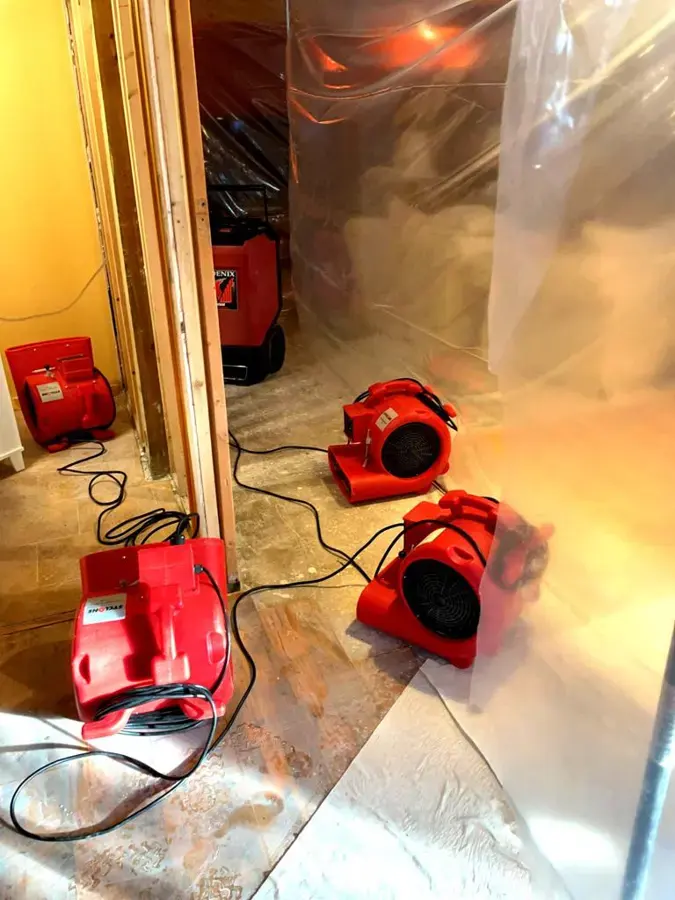
What to do while water is still spreading
- 1
Shut the main valve
Find the shutoff where the service pipe enters the house, usually near the meter, and close it.
- 2
Cut power to wet rooms
Breakers are safe to flip from a dry spot, and unsafe if you must cross wet floor to reach them.
- 3
Stay out of deep water
Standing water near outlets, cords, the furnace or the water heater can carry current.
- 4
Photograph first
Take wide and close shots of the source, every wet room and damaged belongings before cleanup.
- 5
Raise what you can
Get rugs, boxes and electronics onto dry surfaces. Soaked materials begin to degrade in a day or two.
Water Damage Restoration Services in Lakeville, MN
Every source of water needs its own approach. In Lakeville the common calls are failed hoses and pipes, storm runoff, sewer backups and water heater leaks in newer finished homes.
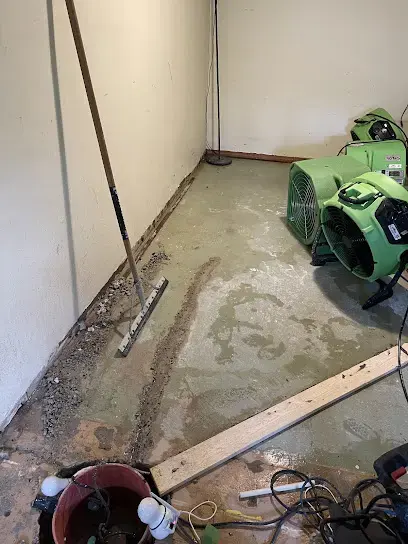
Water Extraction and Removal
Standing water from a failed hose or storm pulled out before it soaks pad and subfloor.
Water Extraction and Removal details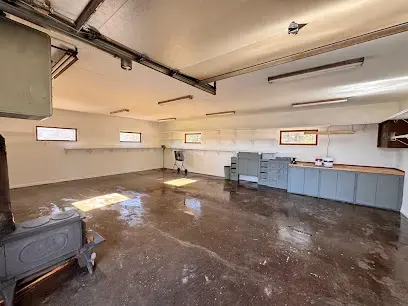
Basement Flooding Cleanup
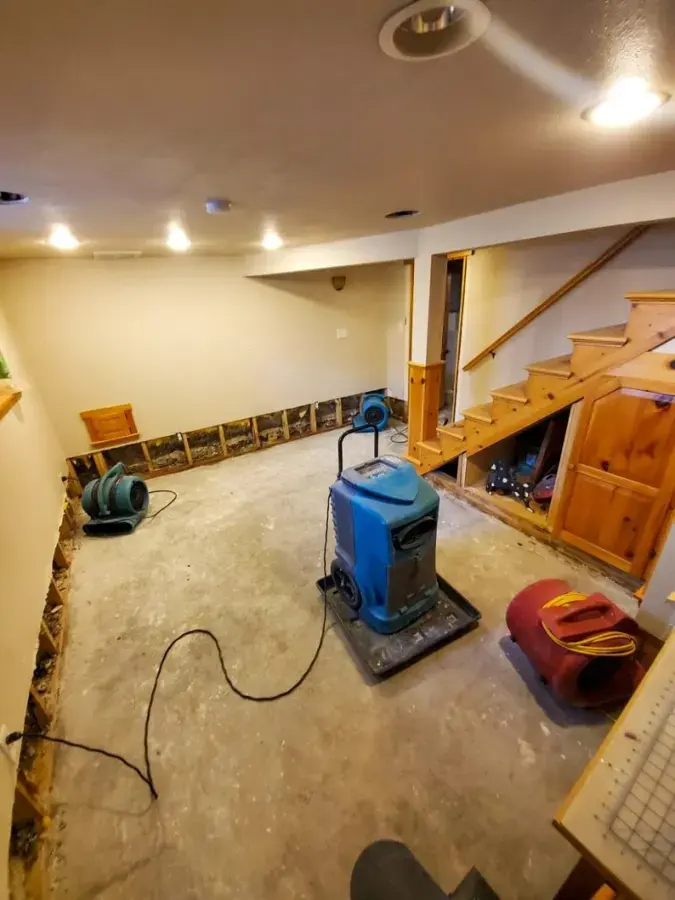
Newer finished lower levels pumped down, then opened only where the meters point.
Basement Flooding Cleanup details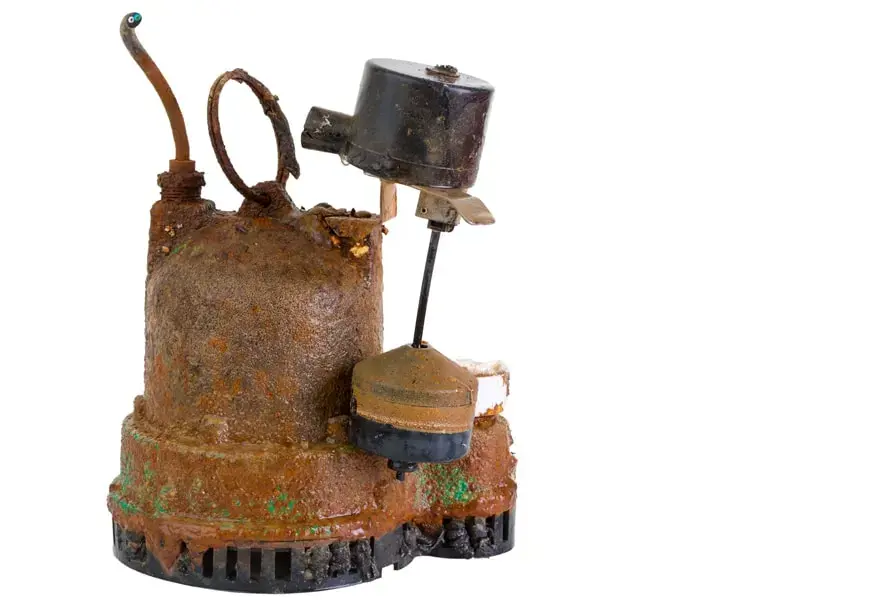
Sump Pump Failure Cleanup
Brimming pits after a pump quits or the power drops in a storm, emptied and dried.
Sump Pump Failure Cleanup details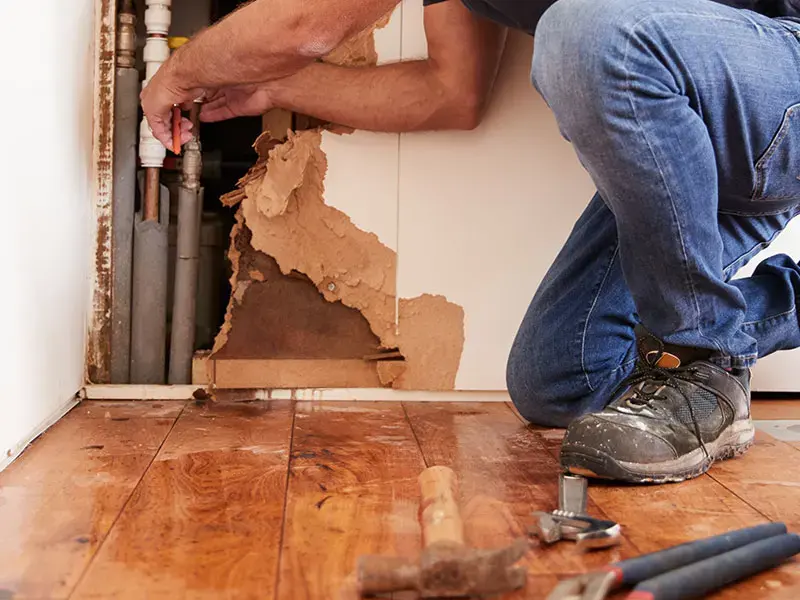
Frozen Pipe Cleanup
Deep-frost splits traced by thermal camera, with the wet cavity dried in place.
Frozen Pipe Cleanup details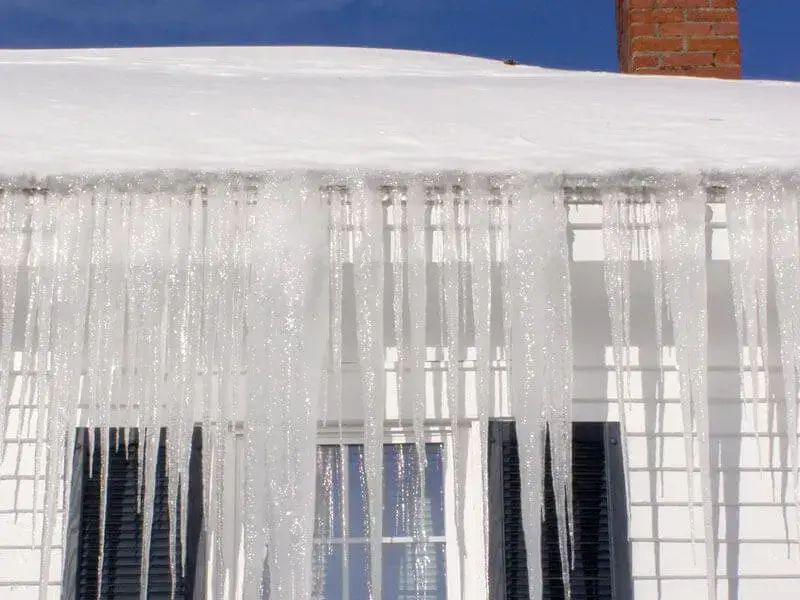
Ice Dam Water Damage
Meltwater forced beneath the eaves into ceilings and wall tops, located by meter and dried.
Ice Dam Water Damage details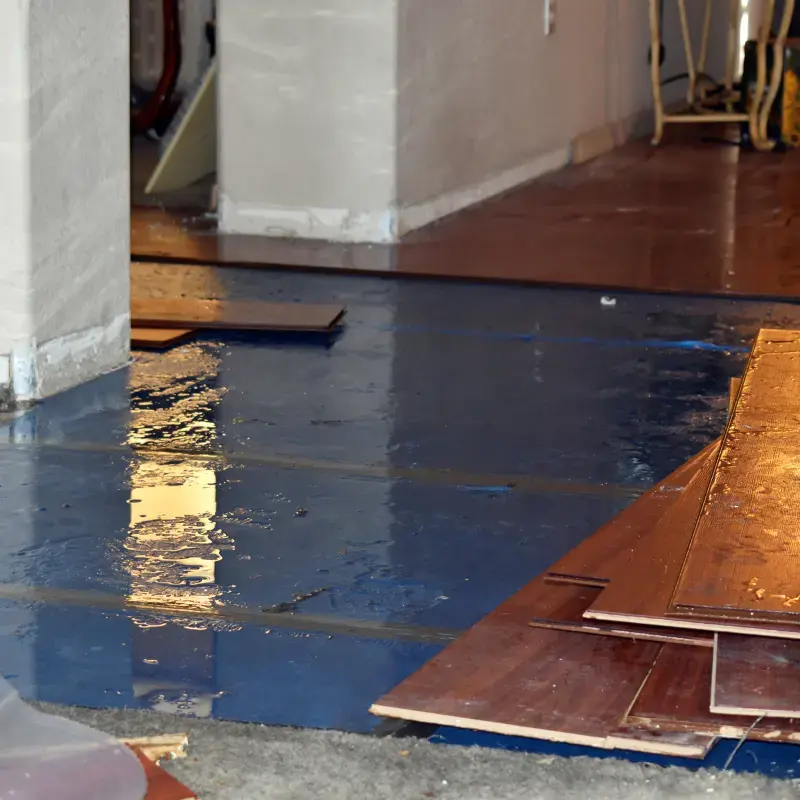
Burst Pipe Water Damage
Split supply pipes drained, wall cavities dried and demolition limited to what readings demand.
Burst Pipe Water Damage details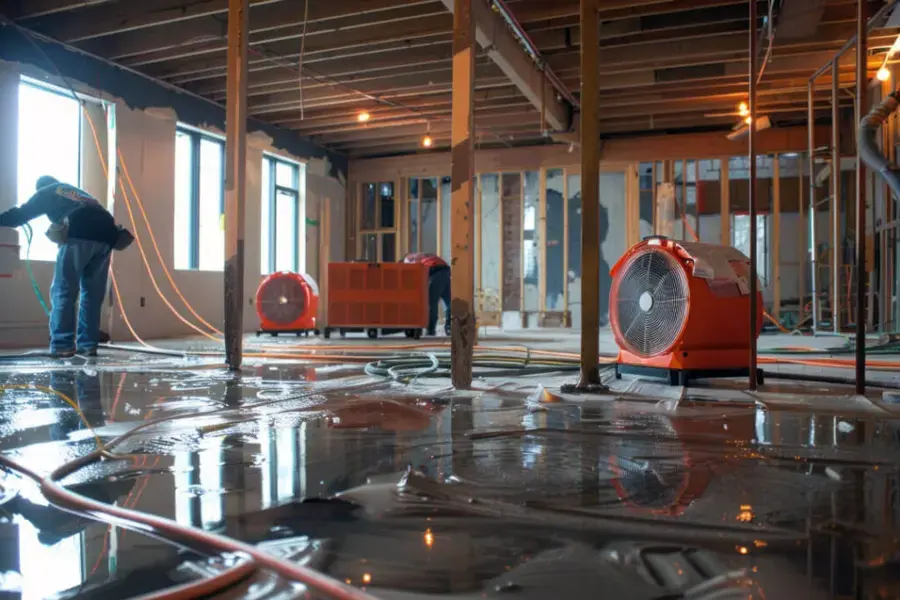
Storm and Snowmelt Flood Cleanup
Runoff and storm water treated as contaminated, soaked materials removed and the rest dried.
Storm and Snowmelt Flood Cleanup details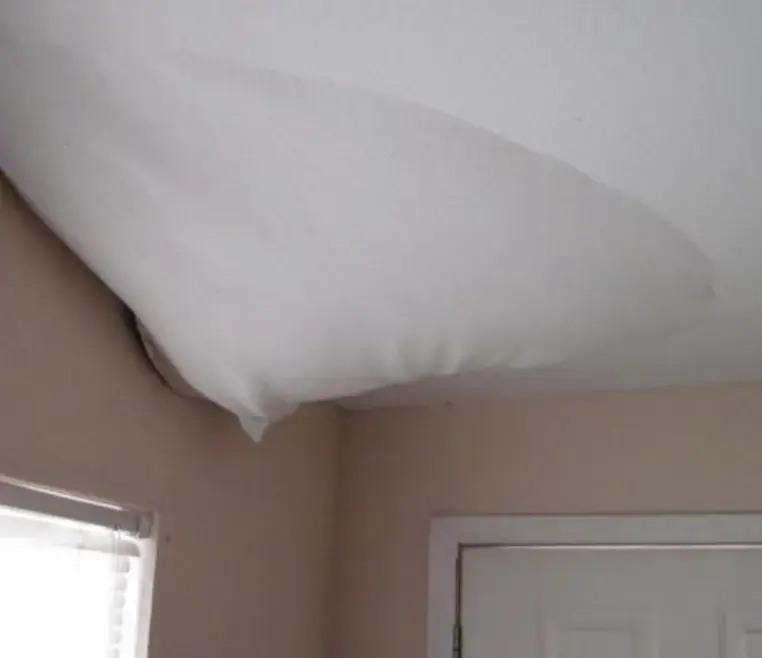
Ceiling Leak Water Damage
Upstairs bathroom and supply leaks traced, a bulging ceiling released safely, joist bays dried.
Ceiling Leak Water Damage details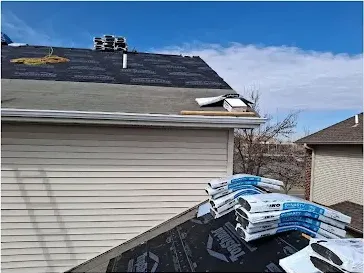
Roof Leak Water Damage
Wind and hail openings covered, soaked attic insulation hauled out, ceilings underneath dried.
Roof Leak Water Damage details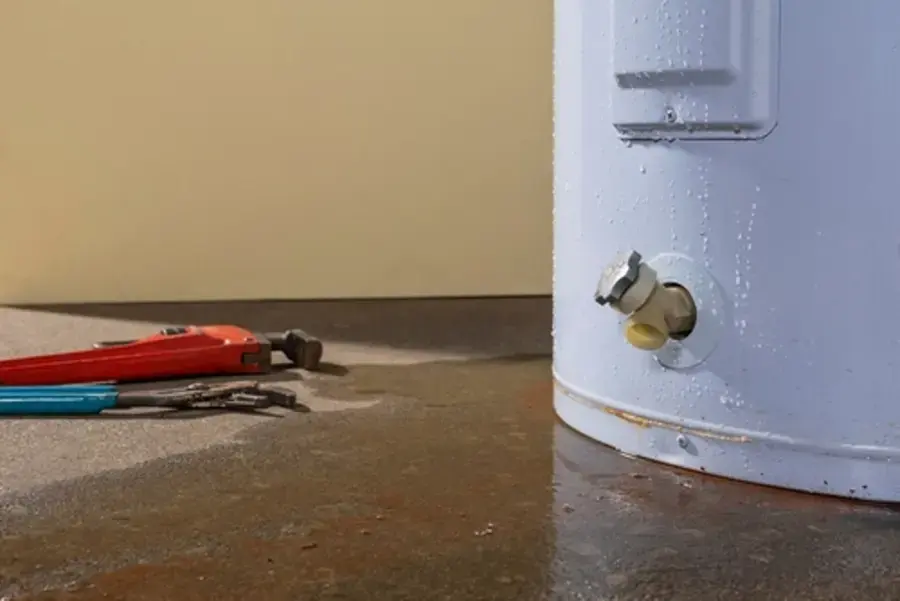
Water Heater Leak Cleanup
Tank leaks in utility rooms extracted before they reach carpet and baseboards.
Water Heater Leak Cleanup details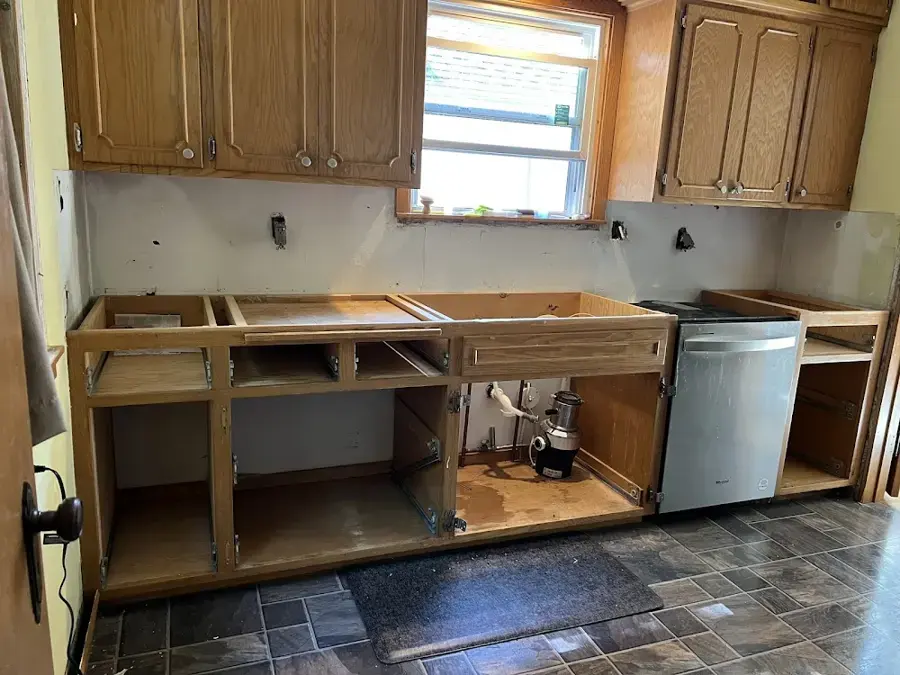
Appliance Leak Water Damage
Washer, dishwasher and ice maker hose failures dried beneath cabinets and floating floors.
Appliance Leak Water Damage details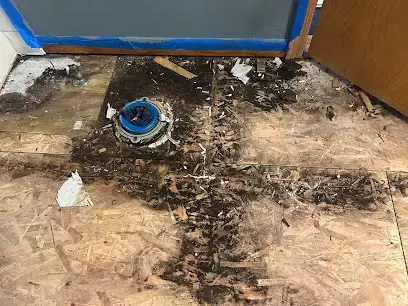
Sewage Backup Cleanup
Drain backups sealed off as Category 3, porous materials hauled out, surfaces treated.
Sewage Backup Cleanup details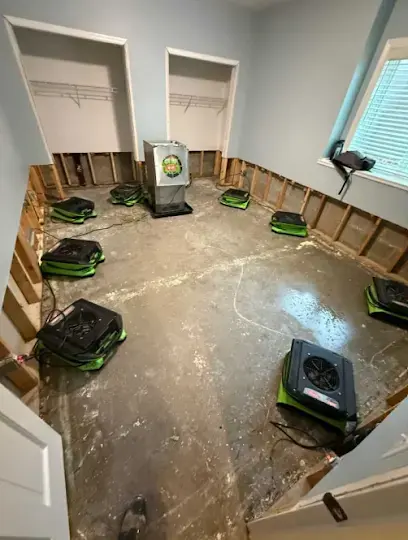
Structural Drying and Dehumidification
Framing, subfloor and slab kept under equipment until meters match the reference.
Structural Drying and Dehumidification details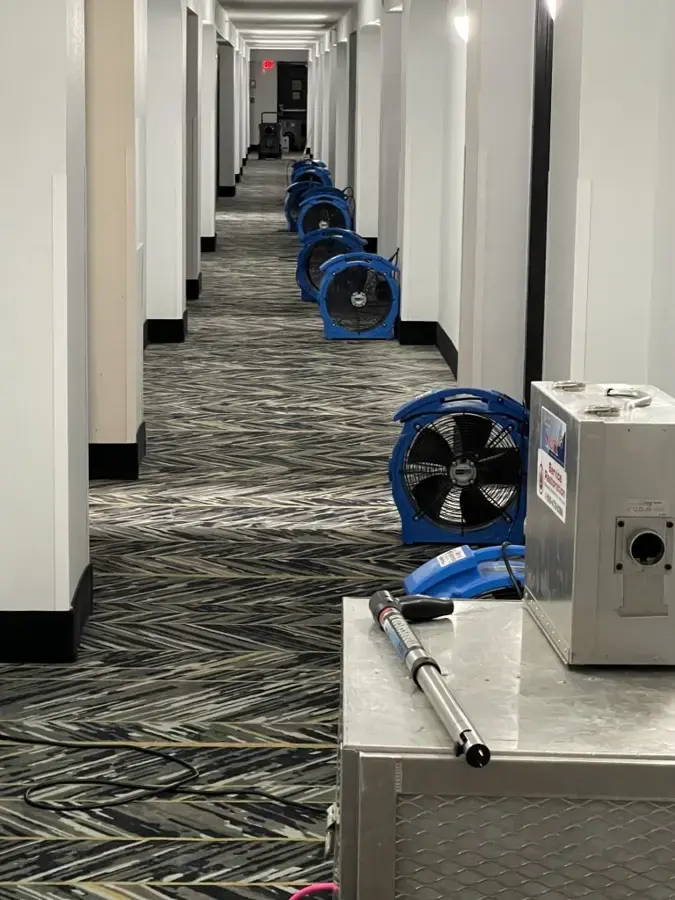
Commercial Water Damage
Warehouses, shops and offices dried zone by zone while the rest of the building keeps working.
Commercial Water Damage detailsWater damage dried to the IICRC S500 standard
Dry to the eye and dry to a meter are different things. Water lingers inside framing, subfloor and concrete, so the machines keep running until the readings agree with the reference material in an unaffected room.
- 1
Map the wet areas
The walkthrough tech scans walls, floors and ceilings with thermal imaging and pinless meters before a single machine goes down.
- 2
Pull the water out
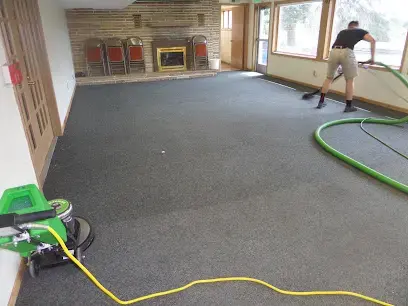
Truck-mounted units and wands lift standing water and press it from carpet and pad, so less is left to evaporate.
- 3
Size the drying
Equipment is sized room by room to the loss class, with desiccant units for concrete, block and hardwood.
- 4
Read until dry
The drying team records temperature and moisture readings daily and pulls equipment once each material reads within a few points of the dry reference.
How the Lakeville restoration team handles a water loss
Lakeville is mostly newer construction, with a median build year of 1999 and about 19,055 detached homes beside 4,104 townhomes. Water in these finished houses spreads under flooring and behind walls before anyone sees it.
Around-the-clock response
Crews are dispatched at every hour, since running water does not wait for the morning.
Drying to the S500 standard
Framing and subfloor are dried, not just surfaces, with machines matched to the loss class.
Paperwork for the adjuster
Moisture maps, daily readings and dated photos taken before anything is removed.
Knowledge of local water
Hard city water, creek and lake country and a wide mix of homes and warehouses shape how losses are read.
All water damage categories covered in Lakeville, MN
Category 1: clean water
Supply pipes, tank leaks and melted snow. Found fast, most materials stay and dry in place.
Burst pipe water damageCategory 2: gray water
Washer and dishwasher drains and sump overflow. Pad is pulled and surfaces are treated.
Appliance leak water damageCategory 3: black water
Sewage and floodwater from outside. Anything porous it soaked is hauled out, not dried.
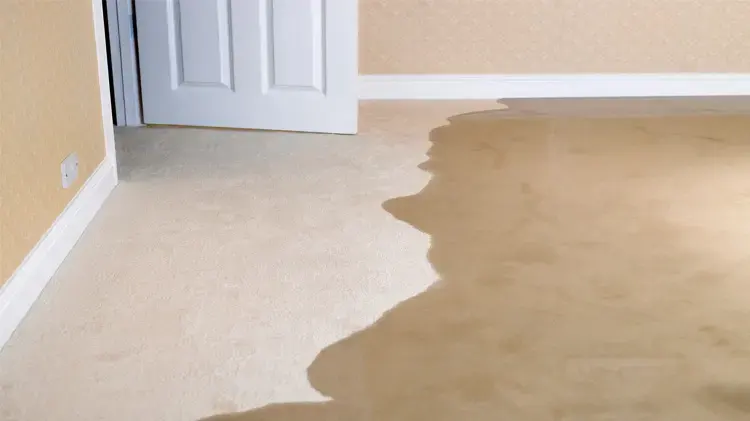
Sewage backup cleanupWhat a water damage dry-out looks like in Lakeville
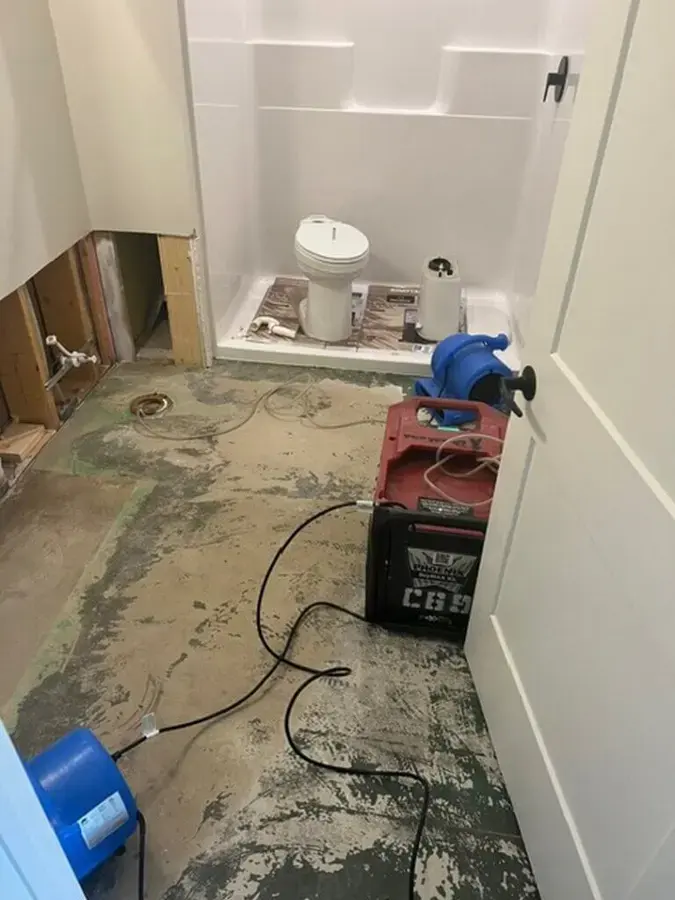
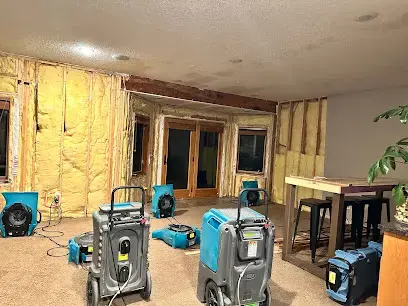
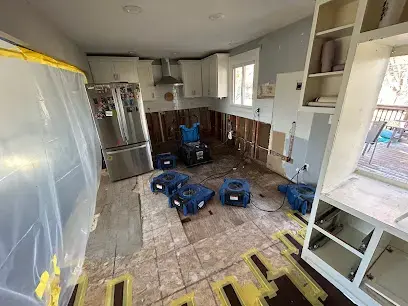
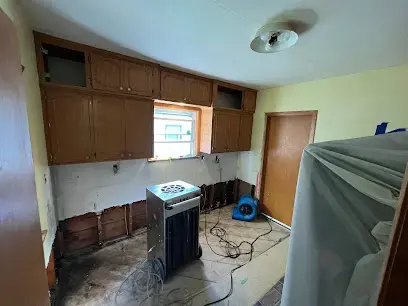
Records for your insurance claim
Adjusters rule on the paperwork, so a complete Lakeville file holds five things the claim depends on.
- The first-visit moisture map showing each wet material
- Temperature, humidity and material readings logged each day until the goal is met
- Dated photos taken before anything is demolished or removed
- The water category and loss class that decide what is dried and what is discarded
- An itemized scope written the way adjusters expect
Read your own policy
A burst pipe or a sudden appliance failure usually sits apart from groundwater and rising surface water, which belong under flood coverage. Most homeowner policies exclude sewer backup unless a rider was added.
The homeowner owns the service pipe to the city main. Coverage depends on your policy, so check with your own insurer.
Water damage in Lakeville, MN: the local risk profile
Lakeville drains largely toward the Vermillion River through North Creek and Middle Creek, with Lake Marion and Orchard Lake within city limits and the bulk of homes dating from 1990 onward.

July 14, 2010: tornadoes were reported near Lakeville and Northfield in Dakota County, and high winds rolled a camper near Credit River, showing how quickly a storm can open a roof.
- Newer lower levels: Finished lower levels in homes built from 1990 on can hide water behind new drywall and carpet.
- Creek runoff: Heavy rain sends runoff down North Creek and Middle Creek toward the Vermillion River, testing every sump and gutter.
- Hard water: City water measures 18 grains per gallon hard, enough to scale a tank over time.
- Sewer service pipes: Roots, grease and improper disposal block the pipe to the city main, which the homeowner owns.
- Winter freeze: Deep frost in January 2026 froze water services across Minnesota, proof a cold snap can split a supply pipe anywhere.
Lakeville water damage questions, answered
01What should be done in the first hour after finding water?
Shut the main or fixture valve, turn off breakers to wet rooms from a dry panel, avoid standing water near outlets, take photos of all of it, then call for extraction. Wet materials start degrading within a day or two.
02How quickly does help reach Lakeville?
Dispatch runs through the night across ZIP 55044. A spraying pipe or rising water counts as urgent on weekends and holidays too, and nobody waits for the next business day.
03Which losses show up most in Lakeville homes?
Failed washer and dishwasher hoses, burst or frozen supply pipes, leaking water heaters, storm openings in roofs and sewage backing up a lower drain. The mix follows a housing stock built mostly from 1990 on.
04How many days does a dry-out last?
A single room of low-porosity material often finishes in three to five days, while hardwood, plaster, block and slabs run longer. Machines come out once readings reach the dry reference.
05What does the S500 standard cover?
The S500 is the professional water damage restoration standard from the IICRC. It addresses moisture mapping, water categories, loss classes, equipment sizing and when drying is complete.
06Will insurance pay for water damage in Lakeville?
A sudden, accidental release such as a burst pipe is often covered. Flood damage needs flood coverage, and most policies leave out sewer backup unless a rider was added. Coverage depends on your policy, so check with your own insurer.
07Who is responsible when sewage backs up?
The homeowner clears blockages in the service pipe between the house and the city main and handles the cleanup. The city asks residents to call the Utilities Division before a drain cleaning company.
08Does hard water affect a water heater?
City water is 18 grains per gallon hard, and that hardness can scale a tank. The city suggests setting a water softener to 14 to 16 grains per gallon to help prevent corrosion in home plumbing.
09Which drywall gets cut out?
Board that meters say cannot dry in place, board over soaked insulation and anything touched by Category 3 water. Clean water found early often leaves the wall intact.
10What drives the final price?
The water category, the number of square feet that got wet, the material class and the speed of the first drying hours. The calculator gives a typical range for a Lakeville home.
Water damage in Lakeville? Begin the dry-out now.
Wet drywall, pad and subfloor get worse by the hour. The extraction crew clears the water, then the drying team brings the structure down to a dry reading.
Burnsville Water Damage Restoration · Burnsville, MN