Roof Leak Water Damage in Lakeville, MN
Wind lifts shingles, rain gets in and soaks the attic insulation and ceilings below. The restoration team dries what the water reached and records readings that back up the storm claim.
(888) 432-4933Rain coming through the roof? Call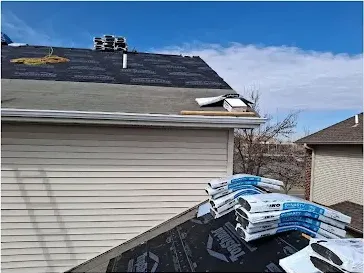
Roof water rarely stays where it enters. It soaks the insulation, drains into the ceiling and then moves down the wall, so a small shingle gap can end up as a damp room.
First steps for roof leak water damage in Lakeville
Keep off the roof
Slick shingles and gusts make a climb dangerous, so leave it to a roofer.
Catch the drips
Place buckets and towels and move belongings out of the way.
Watch the ceiling
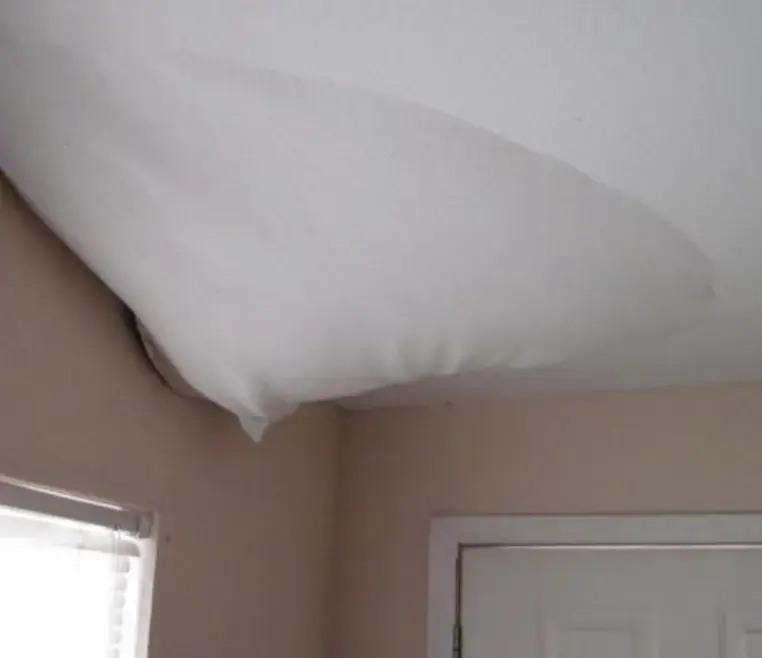
A bulge hides pooled water, so do not stand beneath it.
Photograph it all
Shoot the roof damage from the ground and the soaked rooms inside.
How roof leak water damage is handled in Lakeville
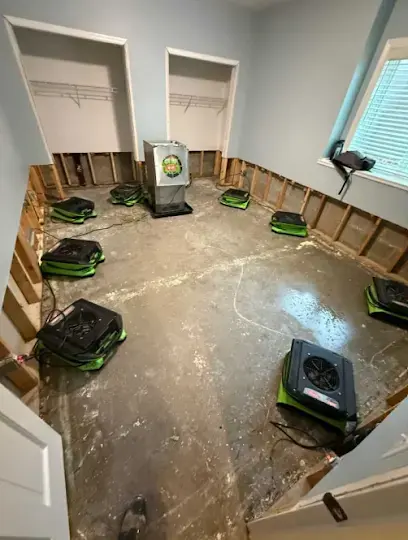
The tech who does the walkthrough maps moisture before any equipment goes down, so the drying plan matches what is actually wet. Equipment stays until the readings say dry, not until it looks dry.
- 1
Locate the wet zones
Meters and infrared trace the water from the attic into the walls below.
- 2
Remove soaked items
Wet insulation and sagging drywall come out first.
- 3
Dry in place
Air movers and dehumidifiers work on ceilings, walls and framing.
- 4
Verify and record
Daily readings continue until materials match the dry reference.
How wind opens a Lakeville roof
On July 14, 2010 tornadoes were reported near Lakeville and Northfield in Dakota County, and high winds blew a vehicle off Interstate 35 at Highway 19 south of town. Storms like that peel shingles, lift flashing and drive rain sideways under what remains.
- Torn or missing shingles after a wind event.
- Flashing that worked loose where pipes and chimneys pass through.
- Gaps where a limb or debris struck the roof.
- Seams that have aged until they leak in a hard rain.
Drying a house after a roof leak
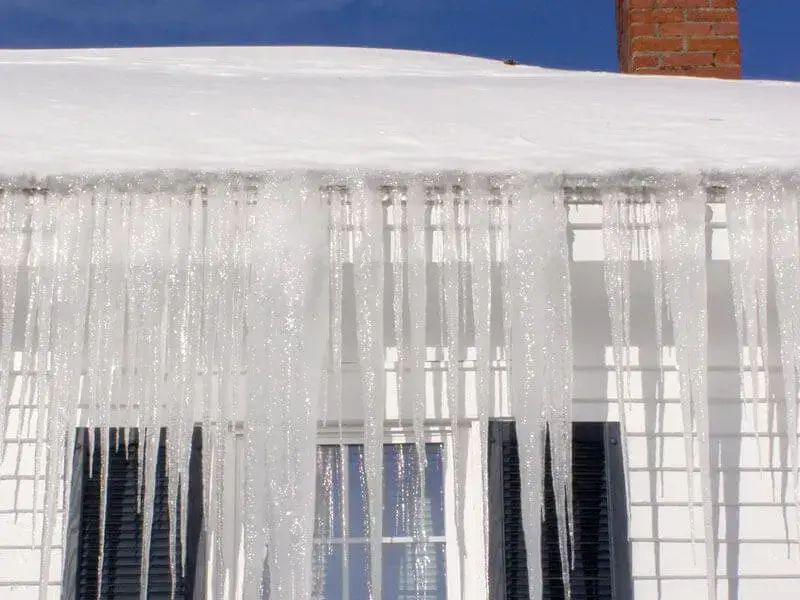
The crew begins by scanning from the attic down through the ceiling to the wall tops, using moisture meters and thermal imaging to find the wet zones. Soaked insulation is removed, because it keeps water against the drywall. A drooping ceiling is opened to let the trapped water out. Dehumidifiers and air movers then work until every reading drops. A temporary tarp from a roofer stops more rain, and ice at the eave leads to ice dam water damage instead.
- Saturated attic insulation is hauled out and replaced after drying.
- Ceiling board comes down only in the soft or stained patches.
- Moisture readings are logged each day until the framing passes.
Storm claims for roof leaks
Damage from wind and rain is commonly covered when a storm opened the roof. Photographs of the damage outside and the wet rooms inside, plus the drying logs, show the full story. Coverage depends on the policy, so check with your own insurer. A saturated ceiling is also covered at ceiling leak water damage.
Roof leak water damage across Lakeville and nearby towns
The Lakeville drying team covers ZIP 55044, from Downtown Lakeville and Fox Meadows to Great Oak, Orchard Meadows of Lakeville and Argonne, for roof leaks in detached houses and townhomes.
The same service nearby: roof leak water damage in Burnsville, Apple Valley, Savage.
Related water damage services in Lakeville
Roof Leak Water Damage questions in Lakeville, MN
01Can I wait for the roofer before drying?
It is better not to wait. Wet insulation and drywall start to break down quickly, so drying should run alongside the roof repair rather than after it.
02Is rainwater from a roof clean?
Mostly, but it crosses the roof and the insulation on its way down. After a day or two it can be handled as gray water, and the crew plans accordingly.
03What happens to the attic insulation?
When soaked, it is usually removed and replaced after the framing dries, since it stays wet for a long time.
04Will the ceiling need replacing?
Only where it is soft or sagging. Firm, stained drywall can often dry in place.
05Does a leak mean mold?
Prompt drying keeps it from starting. Damp insulation left for days is where trouble begins.
06Is a storm leak covered?
Often, when wind or hail opened the roof. Check your own policy and keep the photos.
Did a storm open your Lakeville roof? Dry the inside.
Soaked insulation keeps pressing water into the ceiling. Prompt drying shrinks the tear-out.
Burnsville Water Damage Restoration · Burnsville, MN