Roof Leak Water Damage in Savage, MN
A summer storm that lifts shingles or bruises the roof lets rain reach the attic first, then the ceiling below. The restoration team covers the opening, bags soaked insulation and dries the rooms underneath.
(888) 432-4933Storm hit the roof? Call now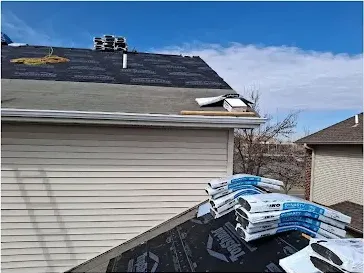
Rain does not reach a ceiling the moment a roof opens. It lands in the attic first, saturates the insulation and then looks for the weakest spot in the drywall below.
First steps for roof leak water damage in Savage
Leave the roof alone
A wet roof is slick, so leave tarping to a roofer or the restoration crew.
Catch what drips
Put out buckets and move furniture and electronics away from the stain.
Keep clear of bulges
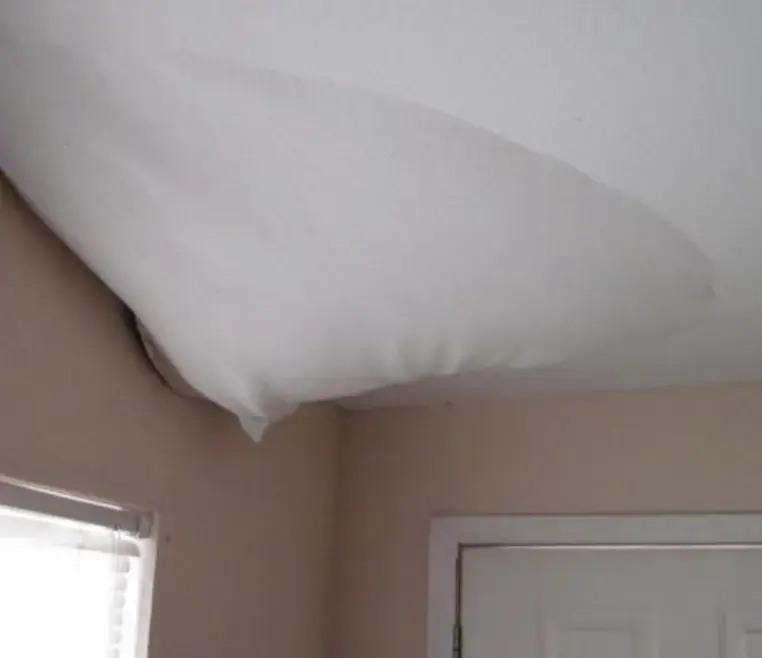
Do not stand under drywall that is sagging with water.
Photograph twice
Shoot the damaged roof outside and every stained ceiling inside.
How roof leak water damage is handled in Savage
The tech who does the walkthrough maps moisture before any equipment goes down, so the drying plan matches what is actually wet. Equipment stays until the readings say dry, not until it looks dry.
- 1
Cover the opening
A tarp holds off more rain until a roofer can repair it.
- 2
Map the damage
Meters and a thermal camera trace rain from the attic to the rooms below.
- 3
Bag the insulation
Soaked fill or batts go so the ceiling can dry.
- 4
Dry and verify
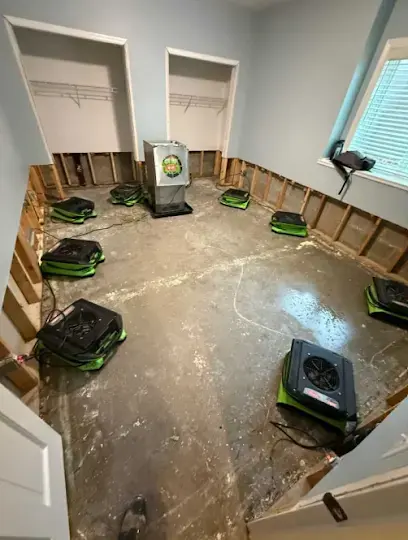
Air movers, forced air and LGR units run until the numbers reach the goal.
Savage storms and roof openings
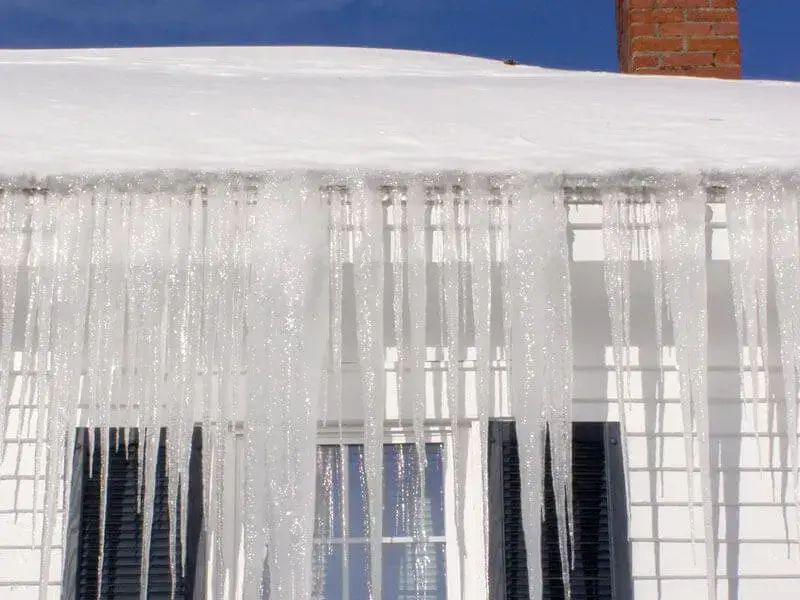
Summer thunderstorms in Minnesota can carry hail and straight-line wind. Either one can lift a course of shingles, bruise the mat or drop a limb across the roof, and the opening may go unnoticed until a stain appears. A winter version of this problem, water at the eaves, is covered on ice dam water damage.
- A patch of shingles torn loose along a ridge or valley.
- Hail impact marks that let water through the mat.
- A branch that punches through the deck.
- Dried-out sealant where a vent pipe or chimney meets the roof.
From tarp to dry ceiling
A tarp or similar cover goes over the opening first so no more rain gets in. Next the tech maps the attic floor, the ceiling below and the top plates of the walls with a thermal camera and meters. Wet insulation is bagged, because it keeps water pressed against the drywall for days. The drying team then runs air movers, forces air into closed cavities and uses LGR dehumidifiers to pull moisture from the room. Where a ceiling has started to bubble, ceiling leak water damage explains the release steps.
- Roof decking and rafters get a moisture check too.
- Insulation leaves through the attic hatch or small ceiling cuts.
- Gear stays until framing and ceiling read dry.
Paperwork when a storm opens the roof
A storm claim usually lists the roof repair and the interior drying as separate items. Pictures of the damaged roofing, the attic and each stained ceiling, together with the moisture map, keep the two clear. Coverage depends on the policy, so check with your own insurer. The main-city version of this work is on Burnsville's roof leak page.
Roof leak water damage across Savage and nearby towns
The Savage restoration crew covers storm-opened roofs across ZIP 55378, including Autumn Woods East, Hamilton Ridge, Redtail Ridge and Glendale Woods, Dufferin Park and homes near County Road 42.
The same service nearby: roof leak water damage in Burnsville, Bloomington, Lakeville.
Related water damage services in Savage
Roof Leak Water Damage questions in Savage, MN
01Who repairs the roof and who dries the rooms?
The roofer repairs the roof. The restoration crew covers the opening if needed and dries the attic, ceilings and walls.
02Why does attic insulation get thrown out?
Once soaked it does not dry in place and keeps pressing water onto the ceiling below, so it is replaced.
03Is this the same problem as an ice dam?
No. A roof leak follows damage to the roof itself. An ice dam pushes meltwater under shingles on a roof that may be in good shape.
04Can drying wait until the rain stops?
Catching drips helps, but wet insulation and drywall degrade quickly, so drying should start once the opening is covered.
05Will insurance treat this as a storm loss?
Hail and wind damage often is. Check your own policy and keep photos of both the roof and the interior.
06How long do the rooms take to dry?
Three to six days is typical once the opening is covered and the wet insulation is out.
Roof opened by a Savage storm? Get the inside dried.
The attic soaks first and the ceiling follows. Cover the roof and dry below at once.
Burnsville Water Damage Restoration · Burnsville, MN