Water Damage Restoration Eagan, MN
Water damage restoration in Eagan, MN, at any hour. The extraction crew lifts standing water, the drying team works framing, subfloor and carpet down to dry readings, and each step goes into a file for the insurance adjuster.
(888) 432-4933Eagan water? Call now.ZIPs 55121, 55122 and 55123, from Blackhawk to Viking Lakes.
First steps when water enters an Eagan home
- 1
Shut the valve at the meter
On a pipe break, close the valve beside the water meter first, then any shutoffs near the leak.
- 2
Make the power safe
Flip breakers for wet rooms only when you can reach the panel over dry ground.
- 3
Check the sump pit
A pump humming while the pit keeps rising needs attention, and so does one silent in heavy rain.
- 4
Photograph before cleanup
Shoot every soaked room, the source and damaged items, wide and close, with time stamps on.
- 5
Lift belongings, then call
Get rugs, boxes and electronics up off wet floors. Mold can start within 24 to 48 hours.
Water Damage Restoration Services in Eagan, MN
Eagan losses start with rain that outpaces a sump, ground frost on a service pipe, an aging tank in a 1980s house, a leak from the unit above or a sewer backup.
Water Extraction and Removal
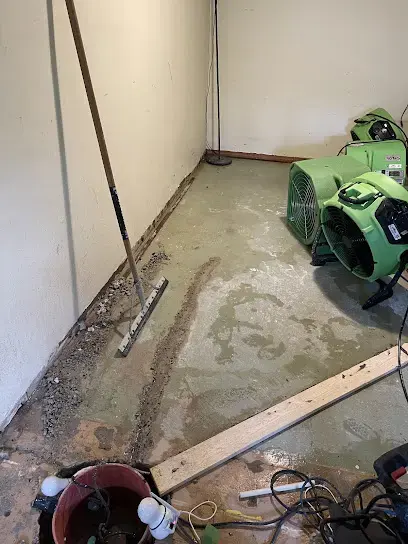
Cloudburst water and sudden pipe failures lifted off floors before the pad and drywall drink it up.
Water Extraction and Removal details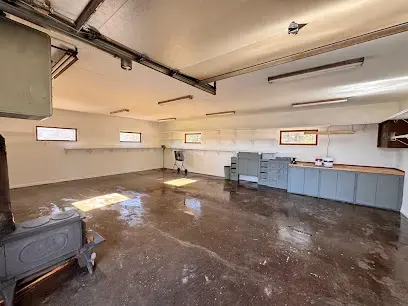
Basement Flooding Cleanup
Flooded lower levels pumped out in a city where clear water must stay out of the sanitary sewer.
Basement Flooding Cleanup details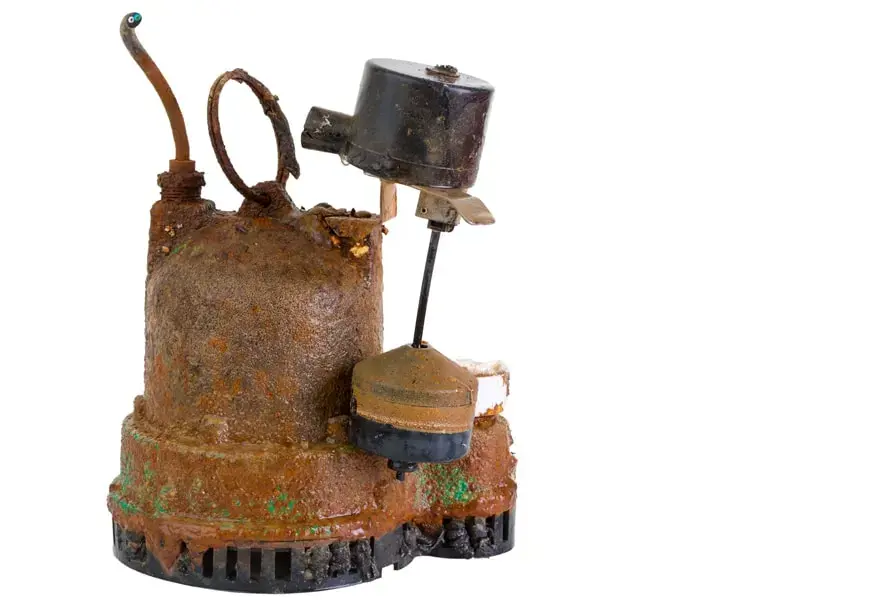
Sump Pump Failure Cleanup
Dead pumps and overfull pits cleaned up, then dried, in homes the city has inspected for sump connections.
Sump Pump Failure Cleanup details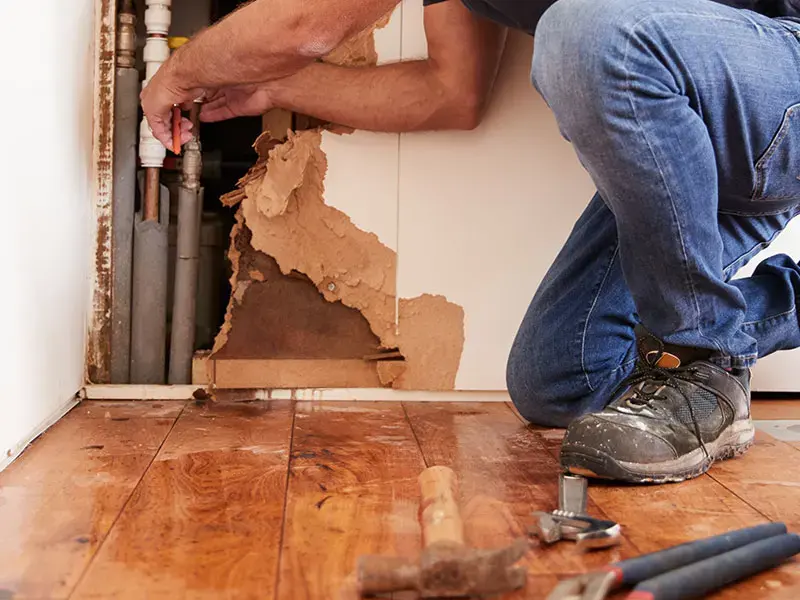
Frozen Pipe Cleanup
Service pipes chilled by deep ground frost and thawed breaks inside walls, traced by thermal camera.
Frozen Pipe Cleanup details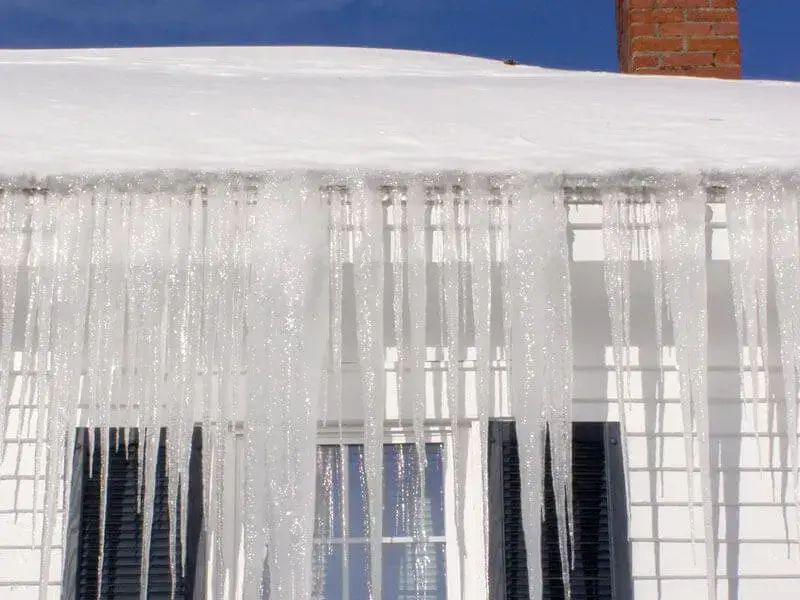
Ice Dam Water Damage
Meltwater forced beneath shingles and down into upper walls and ceilings, found with meters and dried.
Ice Dam Water Damage details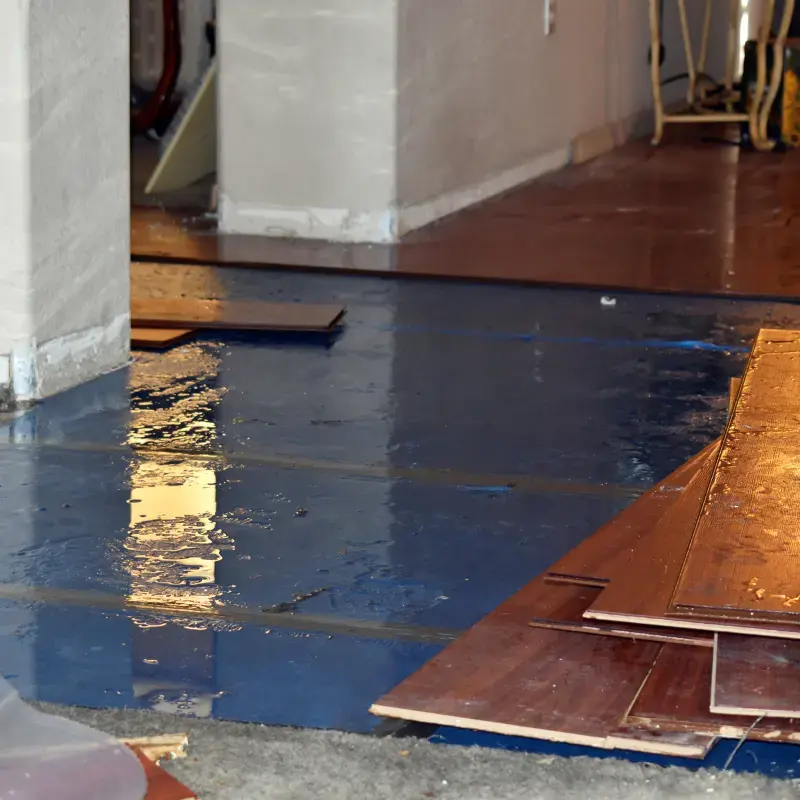
Burst Pipe Water Damage
Split supply pipes extracted, with walls opened only where the readings show wet framing.
Burst Pipe Water Damage details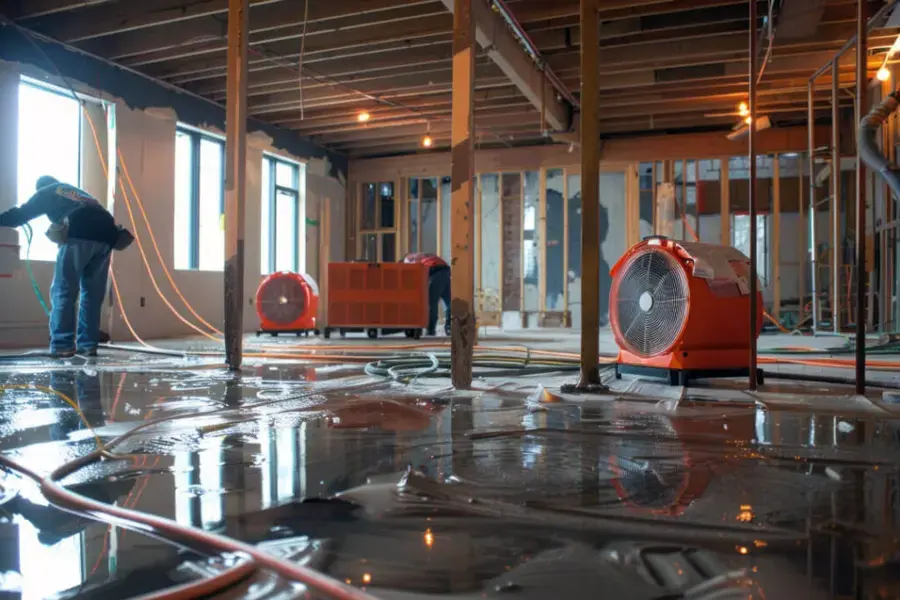
Storm and Snowmelt Flood Cleanup
Deluges like the five inch rain of October 2005 handled as contaminated water, then dried out.
Storm and Snowmelt Flood Cleanup details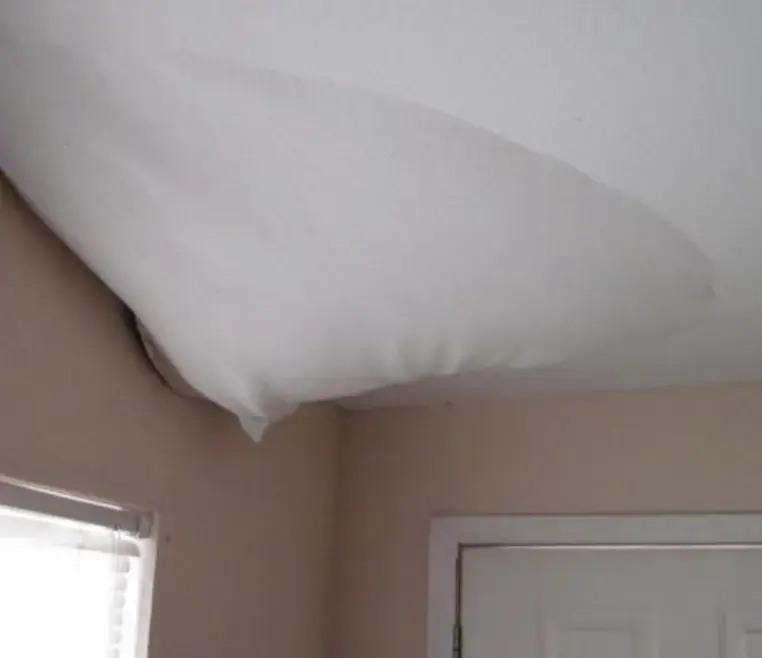
Ceiling Leak Water Damage
Leaks falling from the unit above in attached homes and apartment buildings, traced and dried.
Ceiling Leak Water Damage details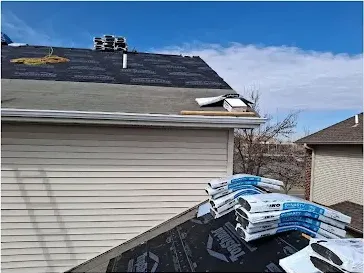
Roof Leak Water Damage
Storm openings in the roof protected, wet attic insulation hauled off and the ceilings beneath dried.
Roof Leak Water Damage details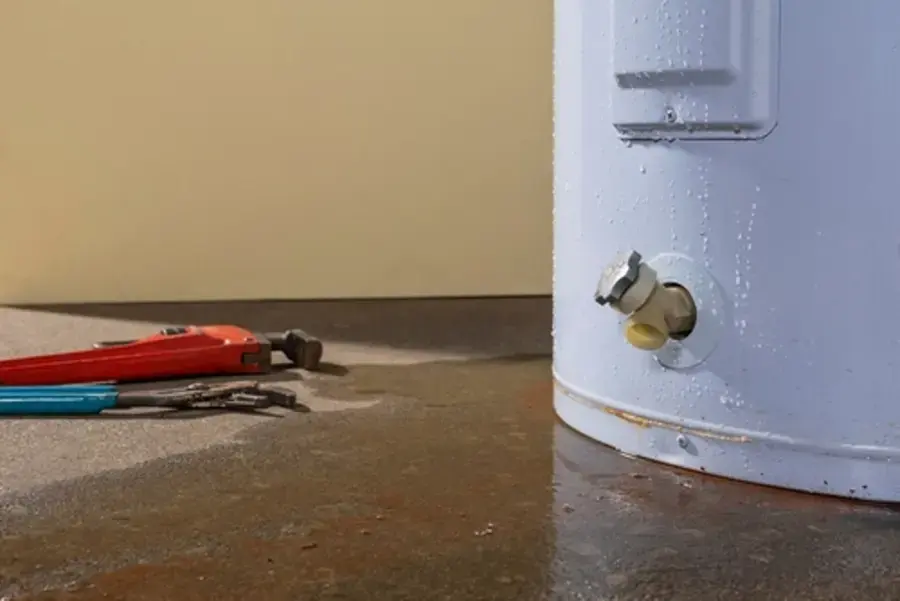
Water Heater Leak Cleanup
Tanks in houses of the 1980s and 1990s failing in finished lower levels, extracted fast.
Water Heater Leak Cleanup details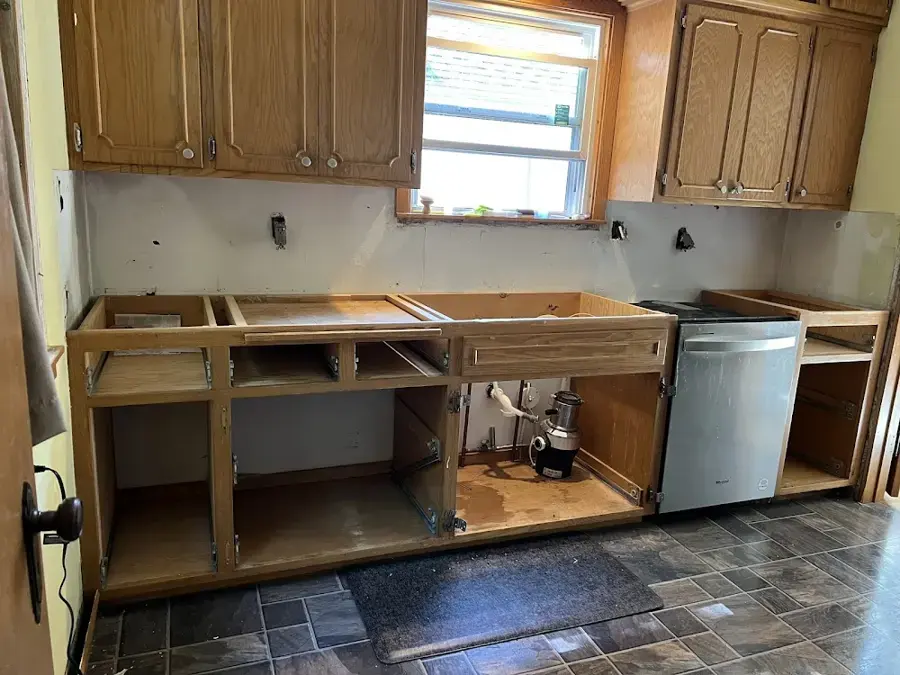
Appliance Leak Water Damage
Leaking hoses at the washer, dishwasher and ice maker, dried under cabinets and flooring.
Appliance Leak Water Damage details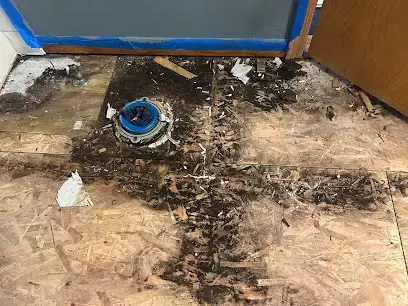
Sewage Backup Cleanup
Floor drain backups contained as Category 3, starting from the owner's service pipe at the main.
Sewage Backup Cleanup details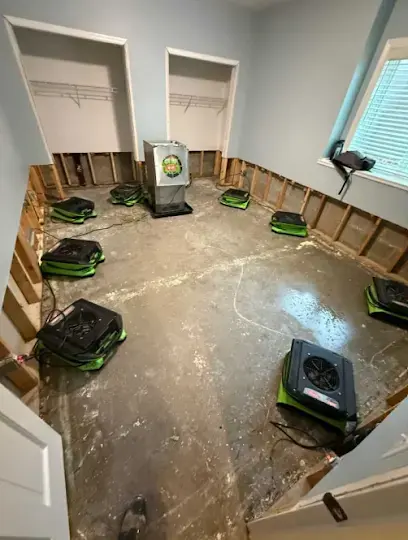
Structural Drying and Dehumidification
Framing and subfloor in the many houses built from 1980 to 1999 dried to a dry reference.
Structural Drying and Dehumidification details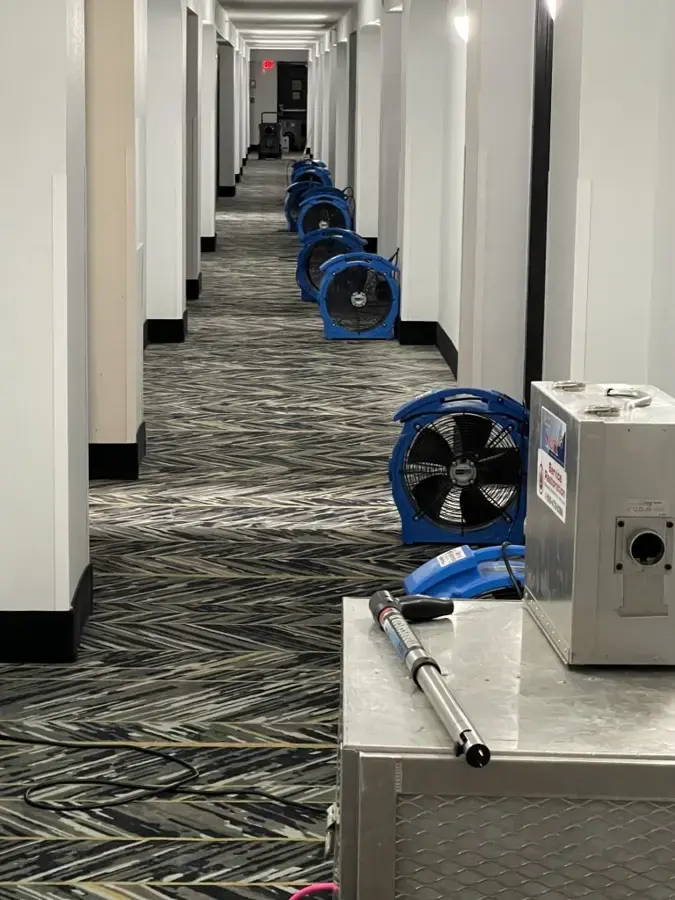
Commercial Water Damage
Offices, warehouses, apartment buildings and the Viking Lakes area dried in stages.
Commercial Water Damage detailsEagan water damage dried to the S500 standard
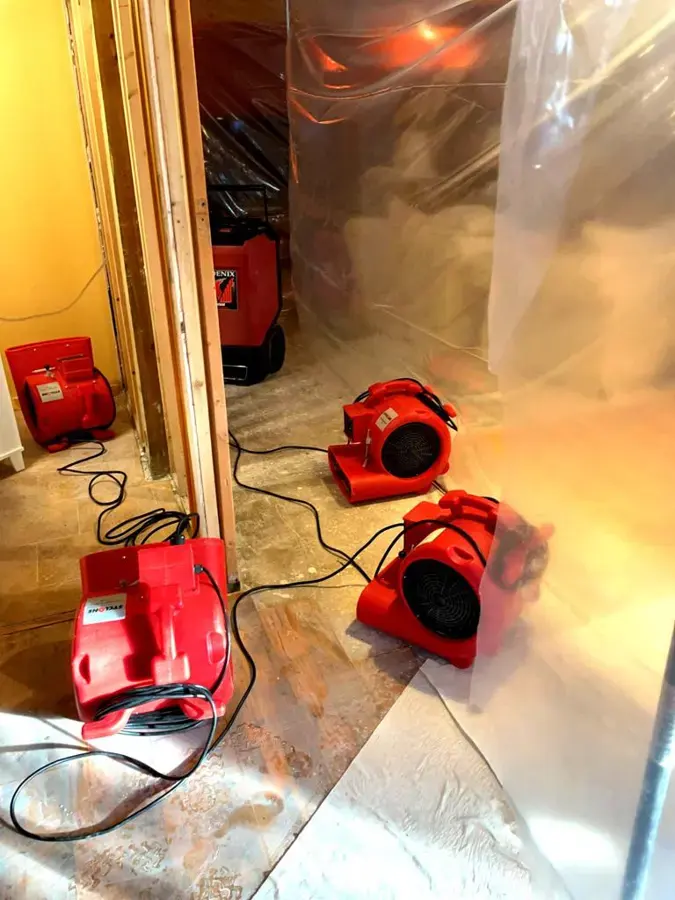
Water in an Eagan house rarely stays where it landed. It follows framing, subfloor and the slab below, so the drying team measures inside those materials and keeps equipment running until the readings match a dry reference.
- 1
Chart the moisture
A thermal camera and pin meters walk the carpet, walls and slab before equipment goes down, so the wet zone gets clear edges.
- 2
Lift the standing water
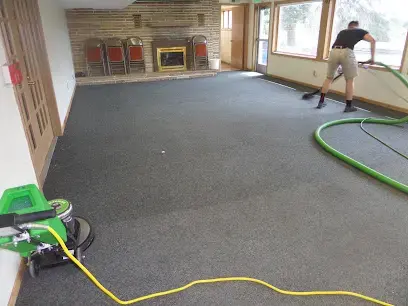
Truck-mounted extraction and weighted wands draw water off floors and squeeze the pad, which keeps it from soaking deeper.
- 3
Place the equipment
Fans and low-grain dehumidifiers are chosen per room by loss class, with desiccant units added for concrete and hardwood.
- 4
Read until it matches
Readings are logged each day, and equipment leaves only once materials sit within a few points of the dry reference.
How the Eagan restoration crew handles a water loss
Most Eagan homes went up between 1970 and 1999, the median in 1988, and thousands are attached units or apartments. Water here slips through floors and between units, so the restoration team follows meter readings, not stains.
Local dispatch, any hour
Crews head out day or night, and a live leak anywhere in Eagan is treated as the first call.
Dried to IICRC S500
Studs, subfloor and slab are brought to a reference reading, with units sized by the loss class.
Records an adjuster can use
A moisture map, day-by-day psychrometric logs and dated photos, all captured ahead of demolition.
Dakota County water knowledge
Heavy rain, ground frost, sump rules and sewer service pipes shape what Eagan calls look like.
All water damage categories covered in Eagan, MN
Category 1: clean water
Supply pipes, cracked fittings and failed tanks. Found early, much of it can dry in place.
Water heater leak cleanupCategory 2: gray water
Pit overflow from a sump, washer discharge and dishwasher drains. The pad comes out and surfaces are treated.
Sump pump failure cleanupCategory 3: black water
Sewage and outdoor floodwater. Porous materials it reached are removed, not dried.
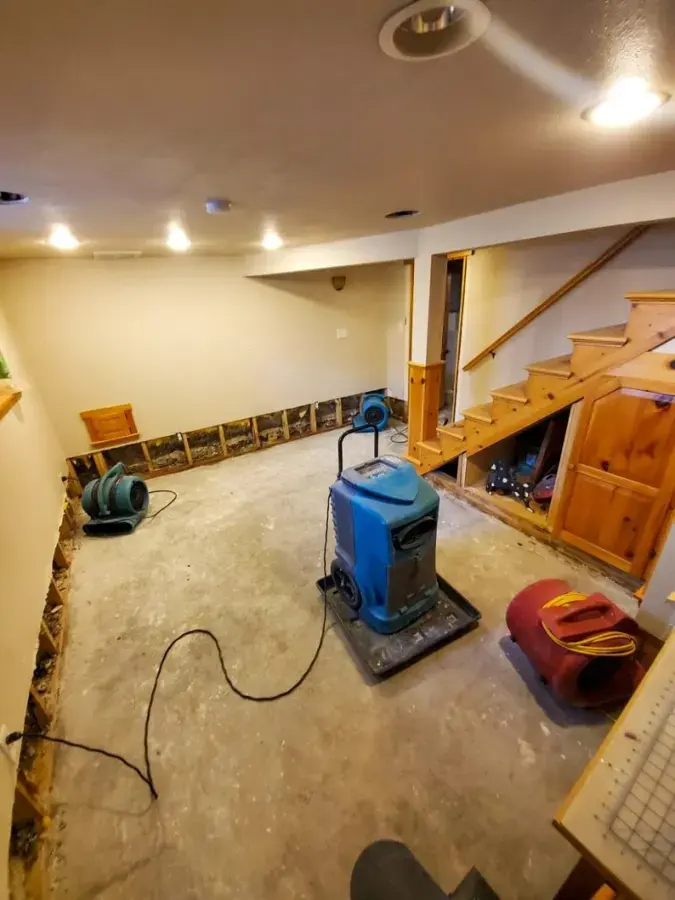
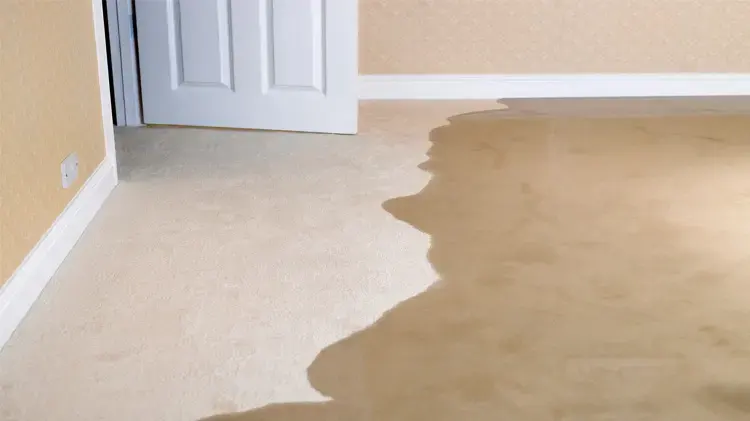
Storm and snowmelt flood cleanupWhat a water damage dry-out looks like in Eagan
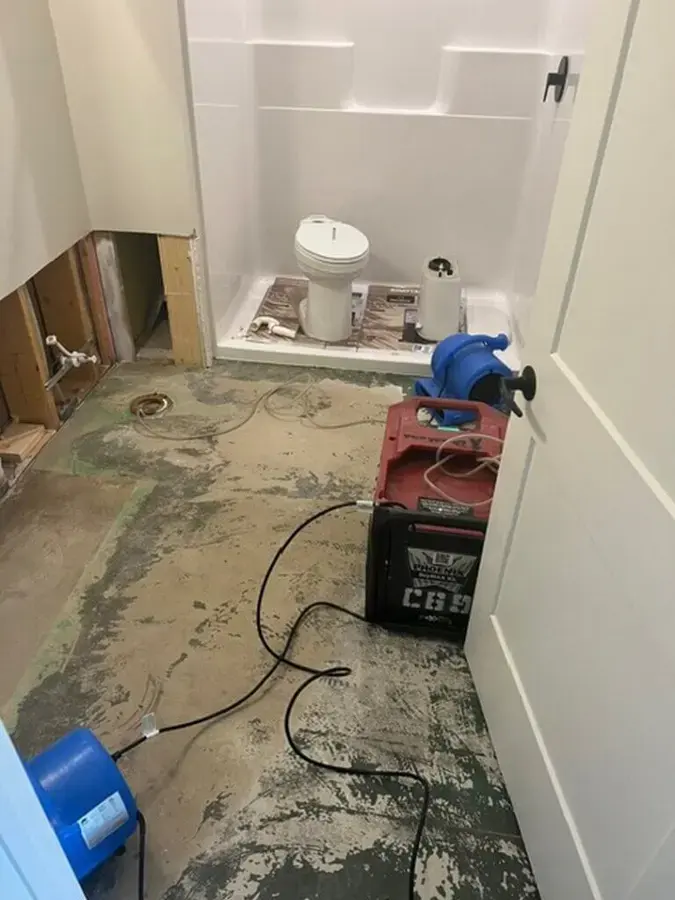
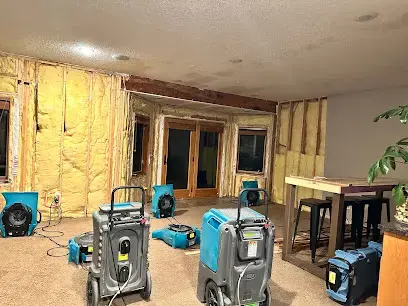
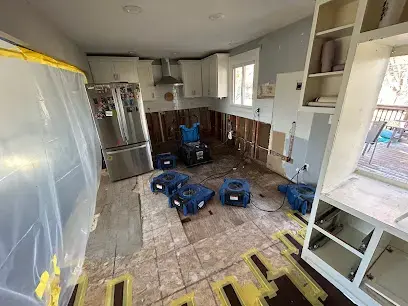
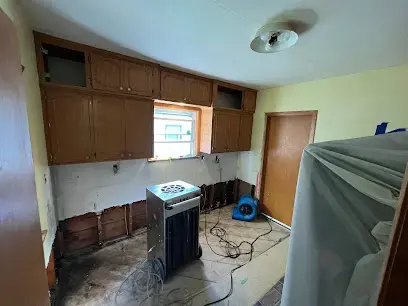
Records for an Eagan insurance claim
Adjusters weigh a water claim by the paperwork behind it. A complete Eagan file holds these five items, gathered before anything is torn out.
- A day-one moisture map naming each wet room and material
- Daily psychrometric logs and readings until the structure is dry
- Time-stamped photos taken before demolition
- Which category and class the loss falls in, since that sets removal versus drying
- An itemized scope in the order an adjuster expects
Check the policy itself
Sudden pipe bursts and storm runoff are treated differently, and runoff generally calls for flood coverage. Many homeowner policies exclude sewer backup unless a rider was added, which is worth confirming early.
Coverage depends on the policy, so Eagan owners should check with their own insurer before filing. Ask the contractor which documents the job produces.
Water damage in Eagan, MN: the local risk profile
Eagan sits on the south bank of the Minnesota River, with Thomas Lake and Blackhawk Lake among its water, rolling terrain in Blackhawk and a median home built in 1988.

July 2000: over eight inches of rain fell in three to five hours across northern Dakota County, with 11.33 inches in southeastern Eagan over a weekend, and serious urban flooding followed.
- Sumps and the sewer rule: Under city code, sump pumps, foundation drains and gutters cannot tie into the sanitary sewer, so rain stays on the lot.
- Ground frost: Extended cold can freeze the underground pipes bringing water into a house, and a break shows at the thaw.
- Sewer service pipes: The service pipe from the house to the main belongs to the owner, so a backup often starts privately.
- Attached homes: Thousands of attached units and big buildings mean a leak upstairs can land in the ceiling below.
- Aging tanks and appliances: Houses of the 1980s and 1990s now carry water heaters and hoses old enough to fail in finished rooms.
Eagan water damage questions, answered
01What should I do first when water enters my Eagan home?
Stop the source when reachable, shutting the valve beside the water meter for a pipe break. Turn off power to wet rooms only from dry ground, photograph everything, move belongings up, then call for extraction.
02Who responds across Eagan, and when?
The response team covers ZIPs 55121, 55122 and 55123 at any hour, from Blackhawk and Thomas Lake Heights to Cedar Cliff and South Eagan. Live water is a priority on nights, weekends and holidays too.
03May my sump pump drain to the sanitary sewer?
No. Eagan City Code Section 3.40, Subdivision 10, adopted September 1, 2009, prohibits sump pump, foundation drain and gutter connections to the sanitary sewer, and the city inspects for them.
04My pipes froze. Is that the city's problem?
The city says deep frost can freeze the underground pipes feeding a home. On a break, shut the valve by the meter, and the drying team then handles the wet structure.
05Who pays when a sewer backup reaches my floor?
Under city rules the owner covers the service pipe up to and including its tie to the main, while the city owns the mains, manholes and lift stations. Most homeowner policies need a rider for sewer backup.
06My toilet gurgled after the street was cleaned. Is that a backup?
Not necessarily. Jet cleaning of city sewers can make a toilet gurgle or splash, and the city suggests keeping the lid down. Water coming up in a floor drain is a different, more serious sign.
07How long does a dry-out take?
One room of low-porosity materials normally dries within three to five days. Concrete, hardwood and plaster take longer, and the equipment stays until readings match the dry reference.
08Must all wet drywall be cut out?
Not always. Board comes out when meters say it cannot dry in place, when the insulation behind it is saturated or when Category 3 water touched it. Clean water caught early often dries without cuts.
09Why is sewage treated differently from other water?
Sewage is Category 3 from the first moment. Whatever porous material it touched is hauled out, the zone is closed off, and hard surfaces are treated with an EPA-registered antimicrobial before drying.
10How is the price worked out?
Water category, wet square footage, material type and how soon drying starts set the number. The cost calculator shows what is typical for a house like yours.
Water in your Eagan home? Get the drying started.
With every hour of standing water, more carpet pad, board and subfloor is lost. The extraction crew lifts it out, and the drying team stays until readings show the structure is dry.
Burnsville Water Damage Restoration · Burnsville, MN