Roof Leak Water Damage in Eagan, MN
A storm that tears or bruises the roof lets rain soak the attic insulation and then the ceilings below. The Eagan restoration team covers the opening, pulls what is wet and dries the rooms underneath.
(888) 432-4933Roof opened by a storm? Call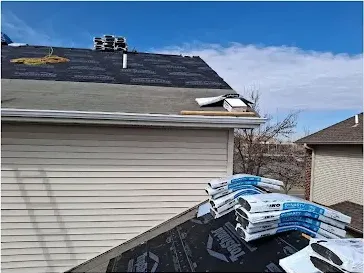
A roof leak is a two-trade problem. The roofer repairs the surface, and the drying team removes the water that already reached insulation, board and framing, because that water keeps doing harm after the sun returns.
First steps for roof leak water damage in Eagan
Stay off the roof
Wet shingles and wind make a fall likely.
Catch what drips
Set out buckets and clear furniture and electronics from the spot.
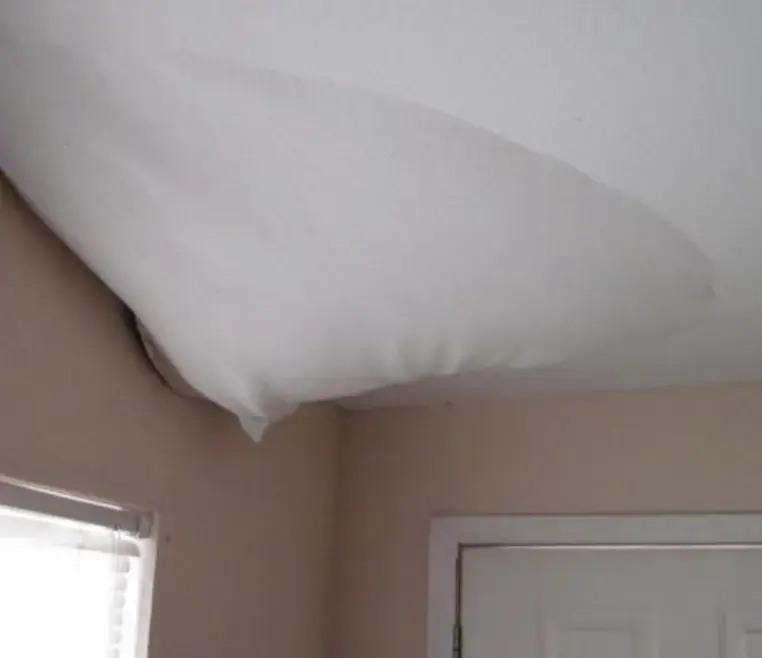
Watch the ceiling
A bulge means trapped water, so keep clear and call.
Photograph both sides
Capture the roof damage and the stains inside.
How roof leak water damage is handled in Eagan
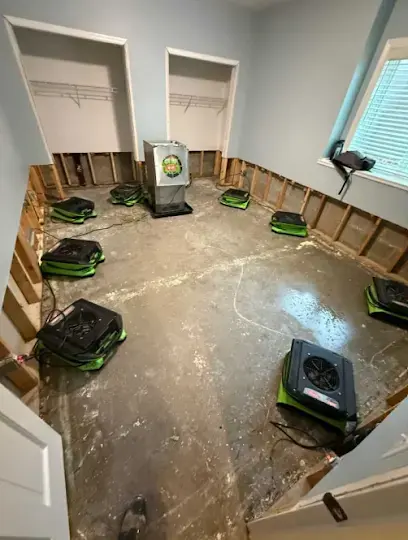
The tech who does the walkthrough maps moisture before any equipment goes down, so the drying plan matches what is actually wet. Equipment stays until the readings say dry, not until it looks dry.
- 1
Cover the opening
A temporary cover keeps more rain from coming through.
- 2
Map attic and ceilings
A thermal camera and meters mark each wet area above and below.
- 3
Pull wet insulation
Soaked insulation is bagged and carried out first.
- 4
Dry and verify
Equipment runs and readings are logged until the goal is reached.
How rain gets into Eagan roofs
Eagan has about 14,505 detached single family homes, and the median house was built in 1988, so many roofs have been through a fair number of storms. Wind lifts shingles, hail bruises them and flashing around chimneys and vents works loose. Water then follows nails and seams down into the attic.
- Shingles torn or lifted by wind.
- Flashing that pulled away at vents and chimneys.
- Fastener holes opened by hail impact.
Drying what the rain reached
The opening gets covered first so no more rain enters. Next the tech charts the attic and the ceilings below with a thermal camera and meters. Soaked insulation is bagged and removed, weakened board is cut away, and the framing dries under air movers and LGR dehumidifiers. Roofer and drying crew often work side by side.
- Attic insulation holds water against the ceiling, so it is removed first.
- Drywall is cut only where the readings call for it.
- Equipment stays until the framing reads like a dry reference.
Storm claims for roof leaks
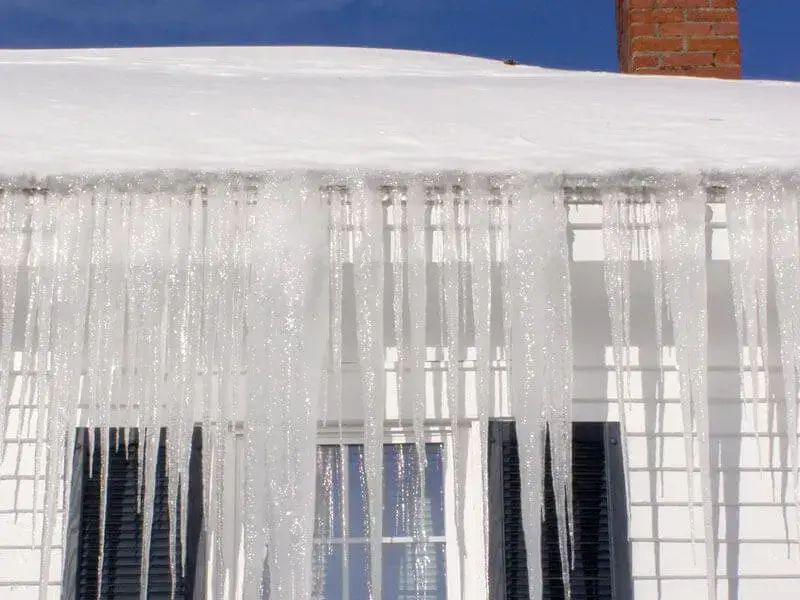
Pictures of the roof damage and of the stains indoors both belong in a storm claim file. What is covered depends on the policy, and the owner's insurer has the answer. The winter version of this problem is explained on ice dam water damage, and the interior side is covered on ceiling leak water damage.
Roof leak water damage across Eagan and nearby towns
The Eagan drying crew serves roof leaks in ZIPs 55121, 55122 and 55123, including Blackhawk, Cherrywood, Thomas Lake Point, Wilderness Run and the South Eagan streets near Nichols Road.
The same service nearby: roof leak water damage in Burnsville, Apple Valley, Bloomington.
Related water damage services in Eagan
Roof Leak Water Damage questions in Eagan, MN
01Which trade handles which part?
The roofer repairs the roof, while the drying team removes wet insulation and dries the board and framing the water reached.
02Must soaked attic insulation be replaced?
Usually. Wet insulation presses water against the ceiling and dries slowly, so it comes out and is replaced after the bay is dry.
03Is a roof leak the same thing as an ice dam?
No. A storm opening lets rain in directly, while an ice dam forces meltwater under intact shingles in winter.
04Can the drying wait until the storm passes?
Waiting lets insulation and board soak longer. Covering the opening and starting drying early limits what has to come out.
05Will insurance pay for storm roof damage?
Often, depending on the policy. Photos of the roof and the stains help, so check with your own insurer.
06How many days does a roof leak take to dry?
Three to six days is common. Plaster, large attics and multi-room losses take longer.
Storm opened your Eagan roof? Dry the inside.
Attic rain saturates insulation and ceilings fast, so covering the opening and starting the drying go hand in hand.
Burnsville Water Damage Restoration · Burnsville, MN