Roof Leak Water Damage in Apple Valley, MN
Summer storms can crack shingles and let rain reach the attic insulation and the ceilings under it. The restoration team shelters the opening, takes out the soaked insulation and dries what remains.
(888) 432-4933Storm opened the roof? Reach the crew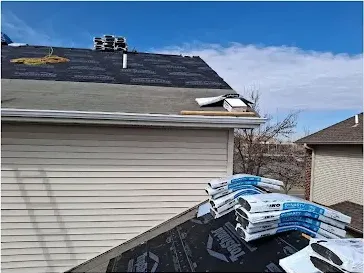
Rain that gets past the roof rarely stays near the hole. It soaks the insulation, runs along the ceiling and shows up as a stain far from the damaged shingles.
First steps for roof leak water damage in Apple Valley
Keep off the roof
Wet shingles are slippery, so leave the roof to a roofer.
Collect the drips
Place buckets and shift furniture and electronics away.
Watch the ceiling
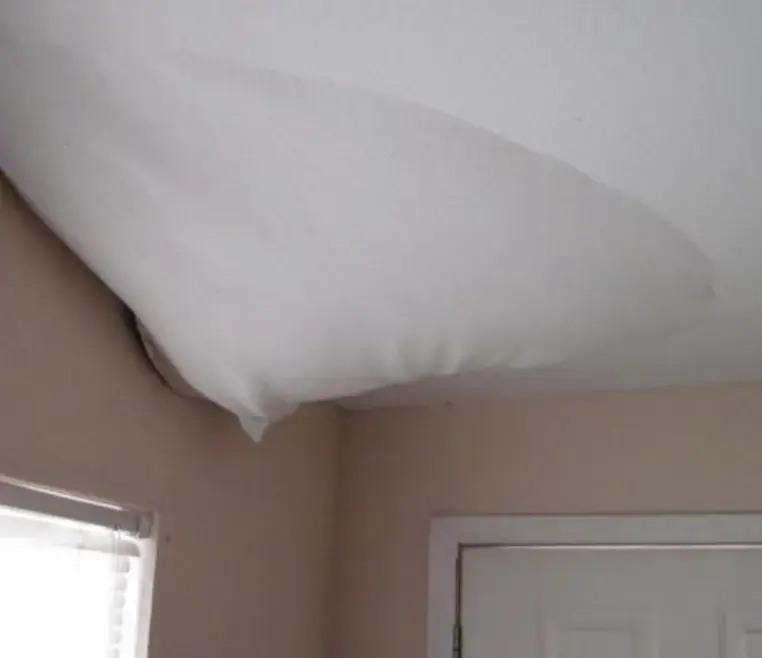
Stay out from under any drywall that sags or bulges.
Photograph both sides
Record the storm damage outside and each stain inside.
How roof leak water damage is handled in Apple Valley
The tech who does the walkthrough maps moisture before any equipment goes down, so the drying plan matches what is actually wet. Equipment stays until the readings say dry, not until it looks dry.
- 1
Shelter the opening
A tarp or other cover stops further rain until the roof is mended.
- 2
Survey the attic
Meters and a thermal camera show where the rain traveled.
- 3
Remove wet insulation
Soaked insulation leaves so the ceiling below can dry.
- 4
Dry and confirm
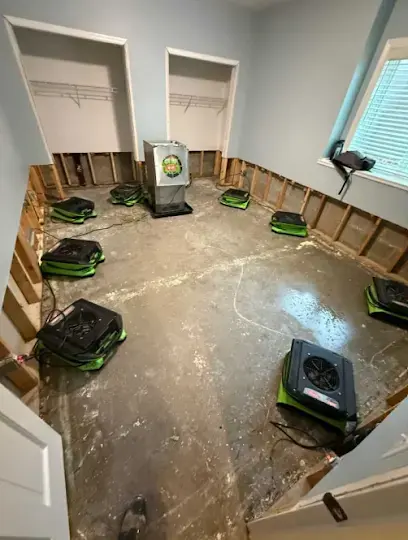
Air movers, injected air and LGR units run until the readings meet the goal.
What opens roofs in Apple Valley
Severe thunderstorm watches around the Twin Cities have included large hail, and hail can bruise or crack shingles. The same storms bring wind that lifts flashing and edges. Most Apple Valley houses date from 1970 to 1999, and a roof of any age has seams, valleys and flashing where wind-driven rain can find a way in.
- Hail bruising that cracks or loosens shingles.
- Wind that lifts flashing, ridge caps or edges.
- Branches that puncture the roof in a storm.
Drying after the roof is covered
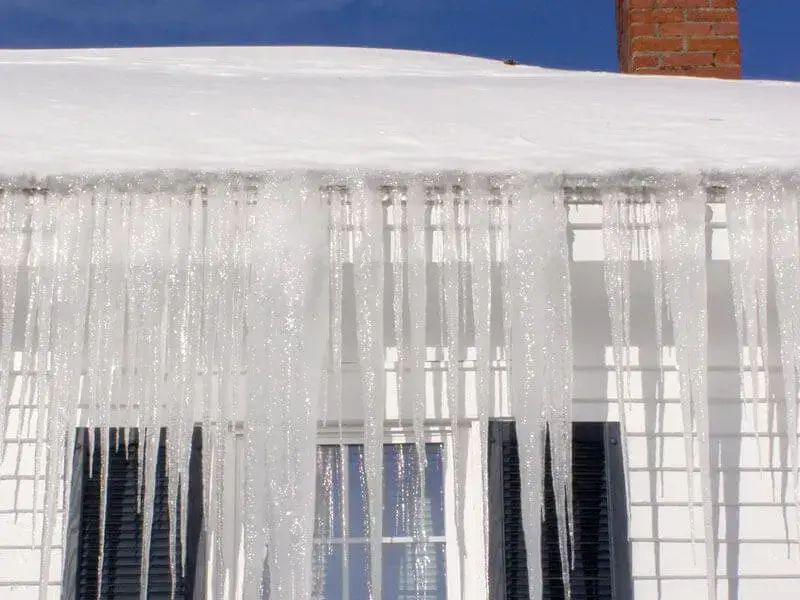
Protection comes first: a tarp or temporary cover keeps more rain out until a roofer repairs the roof. Meters and thermal imaging then show how far the water traveled through the attic and ceilings. Soaked insulation is pulled, and air movers, air injection and LGR dehumidifiers dry what remains. The winter version of the problem is on ice dam water damage.
- Roofers fix the roof; the drying team dries the house.
- Wet attic insulation usually has to be replaced.
- Daily readings show when ceilings and walls reach the goal.
Claims for storm roof damage
Storm damage is commonly part of a homeowner policy, but deductibles and exclusions differ, and hail or wind deductibles can be separate. Confirm the details with your own insurer. Photos of the roof damage, the attic and each interior stain, along with the drying logs, build the file. The full list of Apple Valley services sits under water damage restoration in Apple Valley.
Roof leak water damage across Apple Valley and nearby towns
Roof leak calls cover ZIP 55124, including Longridge, The Oaks and Farquar Lake, along with the homes beside Lebanon Hills Regional Park, near Interstate 35E and around Pennock Shores.
The same service nearby: roof leak water damage in Burnsville, Eagan, Lakeville.
Water damage restoration in Apple Valley · every town covered
Related water damage services in Apple Valley
Roof Leak Water Damage questions in Apple Valley, MN
01Does the roofer handle the inside too?
No. A roofer mends shingles and flashing, while the drying crew removes wet insulation and dries ceilings and walls.
02Can soaked attic insulation stay?
Seldom. Once soaked it holds water against the ceiling for weeks and loses much of its insulating value.
03How is this different from an ice dam leak?
Storm leaks come from rain through a damaged roof, while ice dams push winter melt under intact shingles.
04Can the repair wait until the storm ends?
The roof opening should be covered promptly, because rain that continues keeps soaking attic insulation and ceilings.
05Does insurance pay for storm roof damage?
Often, with wind or hail deductibles that may differ from the main policy. Your own insurer can explain yours.
06How many days does the drying run?
Most roof leaks dry in three to six days once insulation is out, and a larger opening with several wet rooms can add more.
Storm damaged your Apple Valley roof? Dry the inside.
Attic rain saturates insulation and ceilings fast, so cover and drying go hand in hand.
Burnsville Water Damage Restoration · Burnsville, MN