Ceiling Leak Water Damage in Apple Valley, MN
A ceiling stain marks only the edge of the wet area, since water runs along the joists first and may come from the unit above. The drying crew finds the source, releases trapped water and dries the bays.
(888) 432-4933Ceiling dripping? Call the crew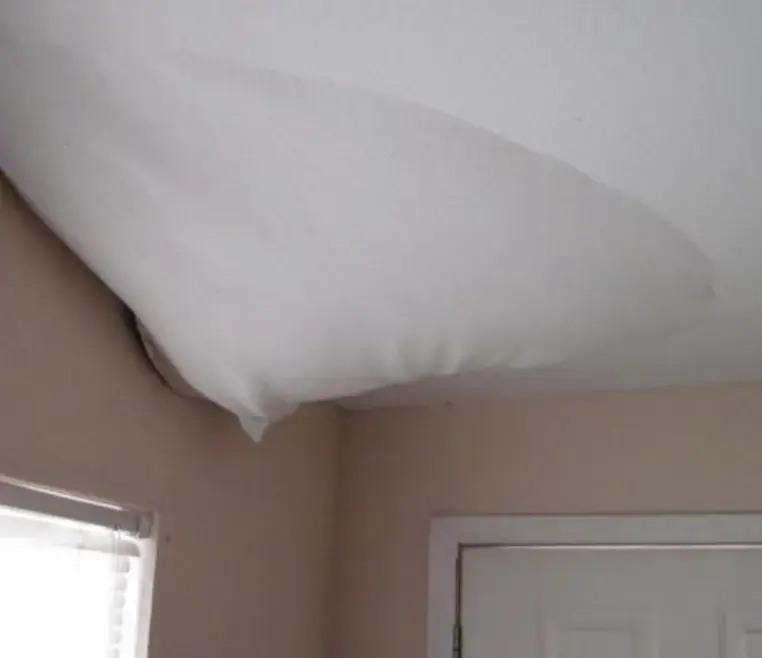
Finding the real source matters more than patching the spot where the drip appeared, since the wet area is usually much larger than the stain.
First steps for ceiling leak water damage in Apple Valley
Halt the source above
Close the fixture valve or the main to stop the water upstairs.
Step back from the sag
A bulging ceiling can drop, so clear people, pets and furniture.
Switch off the lights
Cut power to fixtures below the leak at a dry breaker panel.
Record the stain
Take photos of the ceiling, the source above and any damage below.
How ceiling leak water damage is handled in Apple Valley
The tech who does the walkthrough maps moisture before any equipment goes down, so the drying plan matches what is actually wet. Equipment stays until the readings say dry, not until it looks dry.
- 1
Make it safe
Water held in the ceiling is released and the floor below is cleared.
- 2
Track the spread
A thermal camera shows how far moisture crept through joist bays and walls.
- 3
Take out the failed
Soft drywall and soaked insulation come down; sound board remains.
- 4
Dry the cavities
Air injection and LGR units run until the framing reads dry.
Where ceiling leaks begin in Apple Valley
The city has 6,061 attached homes such as townhomes, plus 2,339 housing units inside large buildings of 50 units or more. In a townhome or apartment building, a ceiling leak can start in the unit above, which makes the source harder to reach and the claim more involved. In a single-family house, the usual culprits are an upstairs bath, a supply pipe or a roof opening.
- A tub, toilet or shower on the floor above.
- A supply pipe or fixture connection inside the ceiling cavity.
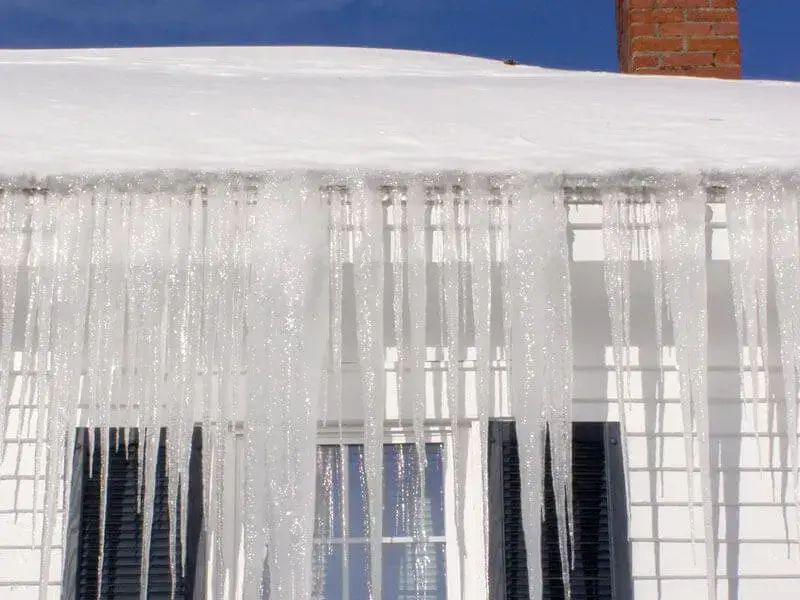
- Roof or ice dam water that reaches the ceiling from above.
Safe release and drying steps
The first move is safety: trapped water in a bulging ceiling is drained through a small controlled opening before it can fall. Thermal imaging then follows the moisture along the joists and into walls. Soft drywall and wet insulation come out, sound board stays, and air injection with LGR dehumidifiers dries the framing. A roof-origin leak is covered separately on roof leak water damage.
- A sagging ceiling is opened in a controlled way, never poked at random.
- Light fixtures under the stain stay off until the area is dry.
- Readings decide which drywall can remain.
Who pays when the leak comes from above
When the water came from a neighbor's unit or from a shared pipe, the building's coverage and the unit owner's policy may both matter. Your own insurer, and the property manager where there is one, can explain what applies. Photos of the stain, the source and anything damaged below make the file clear. Water from a failed pipe above is covered on burst pipe water damage.
Ceiling leak water damage across Apple Valley and nearby towns
Ceiling leak calls cover ZIP 55124, from Downtown Apple Valley and Galaxie Commons to the townhomes around Cobblestone Lake and the blocks along Cedar Avenue and County Road 42.
The same service nearby: ceiling leak water damage in Burnsville, Eagan, Lakeville.
Water damage restoration in Apple Valley · every town covered
Related water damage services in Apple Valley
Ceiling Leak Water Damage questions in Apple Valley, MN
01Should a sagging ceiling be punctured?
Only in a controlled way by someone ready for the water. A random hole can bring the whole section down on the person beneath it.
02Does a ceiling leak mean the roof failed?
Not always. Roof leaks come from outside, while ceiling leaks often start in a bath, a pipe or a unit above.
03Does the full ceiling come down?
Rarely. Only drywall that is soft, stained through or sagging is removed, and sound board is dried in place.
04Why does the stain keep growing?
Moisture creeps along the joists and through insulation, so the damp area ends up far larger than the visible mark.
05Are the lights safe to use?
Keep fixtures under the leak switched off until the area is dry and an electrician has looked at them if needed.
06What is the usual drying time?
Most ceiling bays dry in three to five days after the wet material is removed, with more time if several rooms or floors are involved.
Ceiling leaking in your Apple Valley home? Start the drying.
The wet area above a stain is much larger than it looks. The crew maps it before opening anything.
Burnsville Water Damage Restoration · Burnsville, MN