Storm and Snowmelt Flood Cleanup in Burnsville, MN
Water that comes in from outside, through a window well, a garage or the soil, carries whatever it ran across. The restoration team treats it as contaminated, removes what it soaked and dries the rest.
(888) 432-4933Outside water came in? Call
Floodwater from outside is Category 3 under the IICRC S500 standard, whether it is snowmelt running through a window well or storm runoff under a garage door. That decides the job: porous materials it touched are removed, not dried.
First steps for storm and snowmelt flood cleanup in Burnsville
Stay out of floodwater
Outside water can carry sewage and chemicals; keep children and pets away.
Shut off power if safe
Only from a dry panel; never wade to reach a breaker.
Do not run the HVAC
Keep the furnace fan off so it does not spread contaminated air.
Photograph everything
Water level, silt lines and damaged contents before cleanup.
How storm and snowmelt flood cleanup is handled in Burnsville
The tech who does the walkthrough maps moisture before any equipment goes down, so the drying plan matches what is actually wet. Equipment stays until the readings say dry, not until it looks dry.
- 1
Contain and protect
PPE, containment and HEPA air scrubbers before removal starts.
- 2
Extract and remove
Standing water and silt out, then porous materials it touched.
- 3
Clean and treat
EPA-registered antimicrobial on framing and slab.
- 4
Dry to the goal
Air movers, LGR and desiccant drying with daily readings.
How outside water gets into Burnsville homes
Burnsville sits on the bluffs above the Minnesota River, so most homes are well above the river bottoms. The water that floods houses here usually comes from the ground and the sky.
- Spring snowmelt on frozen ground that runs toward the foundation and fills window wells.
- Summer cloudbursts that overwhelm gutters, grading and storm drains.
- Sloped lots near the bluffs where runoff sheets toward walkout doors.
- Low areas near the river bottoms and Black Dog Lake when the Minnesota River runs high.
How storm and melt flooding is cleaned up
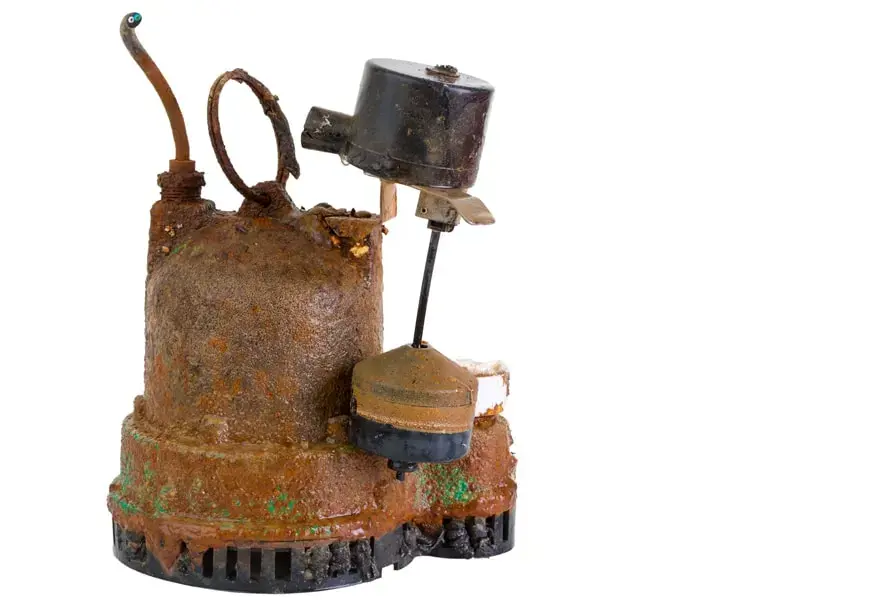
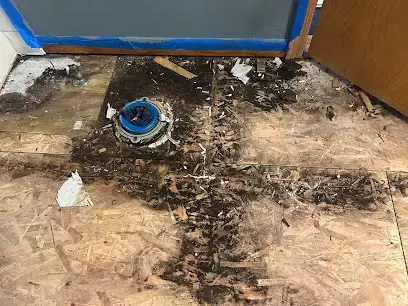
The extraction crew removes standing water and silt first. Because the water is Category 3, carpet, pad, drywall and insulation it touched come out, the area is contained and HEPA air scrubbers run while materials are removed. Surfaces get an EPA-registered antimicrobial, then air movers, LGR and desiccant dehumidifiers dry the framing and slab. For water from the sump itself, see sump pump failure cleanup.
- Workers wear PPE around floodwater and silt.
- Contents that touched floodwater are photographed and sorted.
- Equipment stays until framing and slab reach the drying goal.
Flood coverage is different
Standard homeowner policies usually exclude surface water and flooding, which is covered through flood insurance such as the NFIP. Coverage depends on your policy, so it is worth checking with your own insurer. FloodSmart.gov explains flood coverage, and the Minnesota DNR publishes floodplain and river information.
Storm and snowmelt flood cleanup across Burnsville and northern Dakota County
The Burnsville restoration crew covers ZIP 55306 and 55337, from the Heart of the City and the Burnsville Center area out to Crystal Lake, Lac Lavon, Buck Hill and the river bluffs along Cliff Road.
Nearby coverage reaches Apple Valley, Savage, Bloomington, Eagan, Lakeville, Prior Lake, Rosemount.
Related water damage services in Burnsville
Storm and Snowmelt Flood Cleanup questions in Burnsville, MN
01Why is snowmelt treated as contaminated?
Water that runs across soil, yards and driveways picks up bacteria, fertilizer and debris. The IICRC S500 standard treats outside floodwater as Category 3.
02Can carpet and drywall be dried after a flood?
Not when Category 3 water touched them. Porous materials are removed; framing and concrete are cleaned, treated and dried.
03Is flood damage covered by homeowners insurance?
Usually not. Surface water and flooding are typically covered by flood insurance. Check your own policy and keep photos and logs.
04Does the Minnesota River flood Burnsville homes?
Most Burnsville homes sit on the bluffs above the river. River flooding mostly affects the bottoms; homes flood more often from melt and storm runoff.
05How can I keep melt water out?
Extend downspouts, keep window wells covered and clear, slope soil away from the foundation and test the sump before spring.
06How long does flood drying take?
Five to ten days is common after removal, longer for block walls and slabs.
Storm or melt water in your Burnsville home? Call.
Floodwater is Category 3 the moment it comes in. Removal and containment come before drying.
Burnsville Water Damage Restoration · Burnsville, MN