Roof Leak Water Damage in Burnsville, MN
Hail and wind open the roof in a Minnesota summer storm, and the rain goes straight into attic insulation and ceilings. The restoration team protects the opening, pulls wet insulation and dries the structure.
(888) 432-4933Roof open after a storm? Call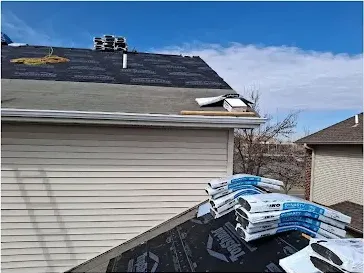
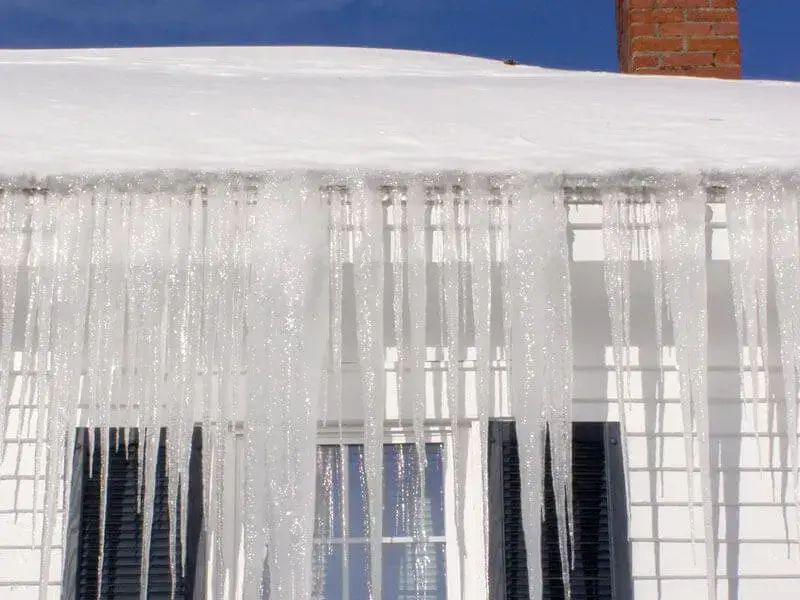
A roof leak comes through the envelope: missing shingles, a hail-bruised field, lifted flashing or a branch through the deck. Rain enters the attic first, soaks the insulation and then finds the ceiling. Winter roof-edge leaks are different and are covered on ice dam water damage.
First steps for roof leak water damage in Burnsville
Stay off the roof
Leave roof coverage to a roofer or the response team; wet roofs are slick.
Catch the water
Set buckets and move furniture and electronics away from drips.
Watch the ceiling
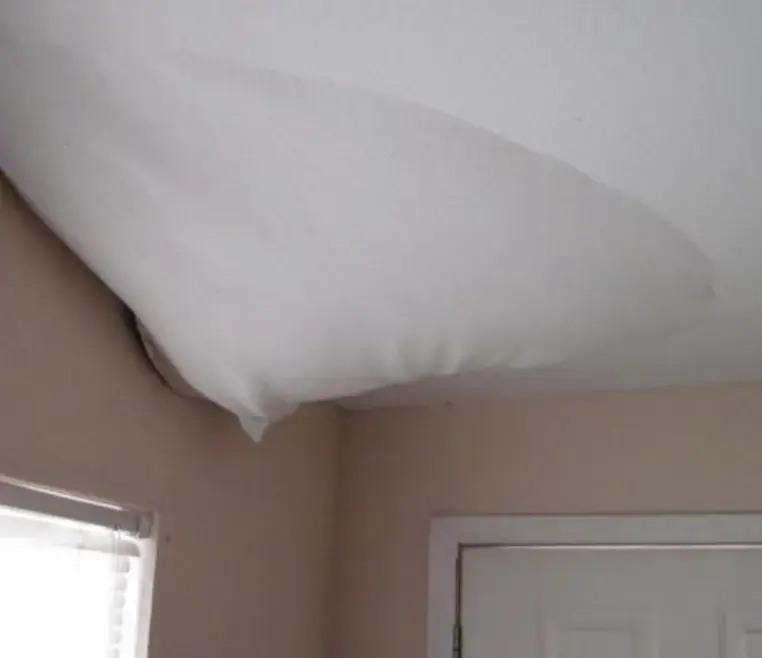
Keep people out from under sagging or bulging drywall.
Photograph inside and out
Capture storm damage on the roof and every interior stain.
How roof leak water damage is handled in Burnsville
The tech who does the walkthrough maps moisture before any equipment goes down, so the drying plan matches what is actually wet. Equipment stays until the readings say dry, not until it looks dry.
- 1
Protect the opening
Tarps or temporary cover keep more rain out until the roof is repaired.
- 2
Map attic and ceilings
Meters and thermal imaging show where rain reached.
- 3
Pull wet insulation
Soaked insulation comes out so the ceiling can dry.
- 4
Dry and verify
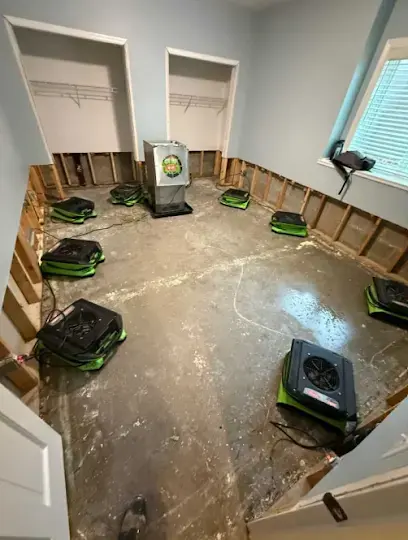
Air movers, air injection and LGR drying until readings reach the goal.
What opens Burnsville roofs
Minnesota's summer thunderstorms bring hail and straight-line winds, and mature trees in older Burnsville neighborhoods drop limbs onto roofs. Age does the rest.
- Hail that cracks shingles and exposes the mat.
- Wind that lifts shingles and flashing along ridges and valleys.
- Limbs and trees that puncture the deck.
- Worn boots around vent pipes and failed chimney flashing.
How roof leak damage is dried
The first step is keeping more water out: the opening is covered with tarps or temporary protection until a roofer can repair it. Inside, the tech who does the walkthrough maps the attic, the ceilings and the tops of walls. Soaked blown-in or batt insulation is removed because it holds water against the drywall. The drying team then dries the ceilings and walls with air movers, injected air and LGR dehumidifiers, logging readings daily. Sagging ceilings are drained and opened as described on ceiling leak water damage.
- Attic decking and rafters are checked for moisture as well as the ceiling.
- Wet insulation is bagged and removed from the attic or through small ceiling openings.
- Equipment stays until the ceiling and framing reach the drying goal.
Storm claims for roof leaks
Hail and wind damage is often handled as a storm claim, with the roof repair and the interior drying listed separately. Photos of the roof opening, the attic and the ceilings, plus the moisture map, keep the two parts clear. Coverage depends on your policy, so it is worth checking with your own insurer. The National Weather Service thunderstorm safety page covers storm safety, and Ready.gov covers severe weather preparation.
Roof leak water damage across Burnsville and northern Dakota County
The Burnsville restoration crew covers ZIP 55306 and 55337, from the Heart of the City and the Burnsville Center area out to Crystal Lake, Lac Lavon, Buck Hill and the river bluffs along Cliff Road.
Nearby coverage reaches Apple Valley, Savage, Bloomington, Eagan, Lakeville, Prior Lake, Rosemount.
Related water damage services in Burnsville
Roof Leak Water Damage questions in Burnsville, MN
01Who fixes the roof and who dries the house?
A roofer repairs the roof. The restoration team protects the opening and dries the attic, ceilings and walls inside.
02Does wet attic insulation have to be replaced?
Soaked insulation rarely dries in place and holds water against the ceiling, so it is usually removed and replaced.
03Is a roof leak the same as an ice dam?
No. A roof leak comes through damage in the roof. An ice dam backs up meltwater at the eaves of a roof that may be in good shape.
04Can I wait until the storm passes?
Cover what you can and catch the drips, but drying should start as soon as the opening is protected. Wet insulation and drywall degrade quickly.
05Is storm roof damage covered by insurance?
Hail and wind damage is often covered as a storm loss. Check your own policy and keep photos of the roof and the interior.
06How long does drying take after a roof leak?
Most roof leaks dry in three to six days once the opening is protected and wet insulation is removed.
Storm opened your Burnsville roof? Get the inside dried.
Rain in the attic soaks insulation and ceilings fast. Protection and drying start together.
Burnsville Water Damage Restoration · Burnsville, MN