Ice Dam Water Damage in Apple Valley, MN
Melt that refreezes at the eave backs up under shingles and soaks the upper wall and ceiling edge, often unnoticed for days. The drying crew maps the wet zones with a thermal camera and opens only the spots that read wet.
(888) 432-4933Ice dam leaking inside? Call the crew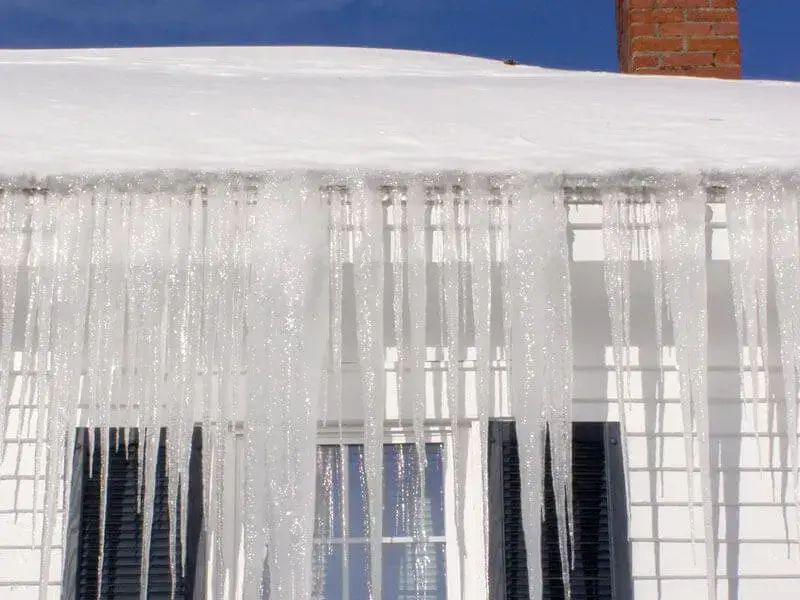
An ice dam is a roof problem that ends as an interior water problem. Once the meltwater passes the shingles, it soaks insulation and drywall high on the wall, and it stays there until equipment pulls it out.
First steps for ice dam water damage in Apple Valley
Clear the lowest edge
Use a roof rake from the ground to bring down snow along the eave, never a ladder.
Protect the room
Put out buckets and slide furniture and rugs clear of the wet spot.
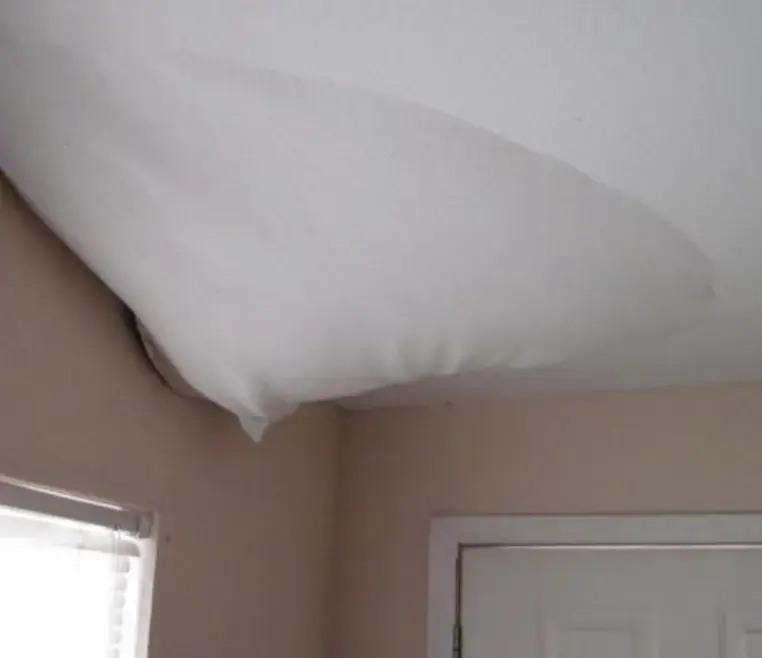
Avoid sagging drywall
Water trapped above can bring a ceiling down, so keep people out from under it.
Photograph both sides
Record the icicles and ridge outside and every stain inside.
How ice dam water damage is handled in Apple Valley
The tech who does the walkthrough maps moisture before any equipment goes down, so the drying plan matches what is actually wet. Equipment stays until the readings say dry, not until it looks dry.
- 1
Scan from inside
A thermal camera and meters outline damp ceilings and walls beneath the eaves.
- 2
Cut selectively
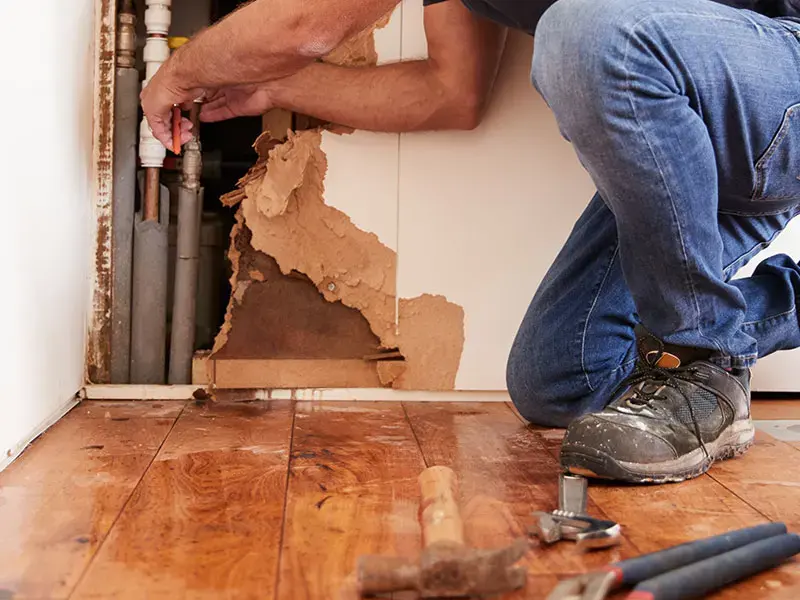
Small cuts release soaked insulation and admit dry air.
- 3
Run the equipment
Air movers and LGR dehumidifiers work together with cavity drying.
- 4
Confirm the goal
Readings are taken each day until drywall and framing are dry.
Why Apple Valley roofs build ice dams
Snow on a warm roof melts, runs to the cold eave and freezes into a ridge that traps the next melt. Apple Valley homes came mostly from 1970 to 1999, and attics in houses of that age can lose heat through the ceiling below, which feeds the cycle. February, the month of the Winter Carnival, often brings the freeze and thaw swings that build the ridge.
- Eaves where a heated attic melts snow above a cold overhang.
- Valleys and low spots where meltwater collects.
- Ceilings along outside walls, where leaks usually show first.
Finding and drying ice dam leaks
Working from the room side, a thermal camera and moisture meters outline the wet ceiling and the upper wall. Small cuts let soaked insulation out and dry air in, and the sound drywall stays untouched. Air movers, LGR dehumidifiers and cavity drying then run side by side until readings reach the goal. The ceiling side of the problem is covered on ceiling leak water damage.
- Wet insulation is removed so it cannot hold water against the drywall.
- A stain that keeps growing after the thaw often means the cavity is still wet.
- Readings each day confirm drywall and framing are dry.
Claims and prevention for roof edge leaks
Winter leaks tend to be paid as sudden roof or weather damage, but terms differ, so ask your own insurer what applies. Photos of the icicles, the ridge at the eave and each stain inside make a solid record. A roof rake used from the ground, better attic sealing and more insulation reduce the chance of a repeat. Storm-driven roof leaks in summer are covered on roof leak water damage.
Ice dam water damage across Apple Valley and nearby towns
Apple Valley ice dam calls cover ZIP 55124, including Longridge, Farquar Hills and The Oaks, plus the streets near Hayes Park, the Apple Valley Municipal Center and Cedar Avenue.
The same service nearby: ice dam water damage in Burnsville, Eagan, Lakeville.
Water damage restoration in Apple Valley · every town covered
Related water damage services in Apple Valley
Ice Dam Water Damage questions in Apple Valley, MN
01Which comes first, the roof or the attic?
Both play a part. Heat escaping from the attic melts the snow, and the ridge at the eave pushes the water beneath shingles and into the house.
02Why does the stain grow after the thaw?
Water already inside the cavity keeps moving through insulation and drywall, so a stain can spread long after the roof dries.
03Is chipping the ice a good idea?
Hammering damages shingles and risks a fall. Raking snow from the ground and calling a roofer is safer.
04Must soaked insulation be replaced?
Soaked insulation holds water against the drywall for weeks, so it normally comes out and the cavity is dried.
05Will insurance pay for ice dam damage?
Often as sudden weather damage, though policies vary. Your own insurer can confirm what applies to your policy.
06When do ice dams form?
Mostly from January to March, when snow cover, cold nights and sunny afternoons combine to melt and refreeze the roof edge.
Ice dam leaking inside your Apple Valley home? Start the drying.
Insulation and drywall beneath the eaves stay damp for weeks unless equipment draws the water out.
Burnsville Water Damage Restoration · Burnsville, MN