Ice Dam Water Damage in Lakeville, MN
When snow melts and refreezes at the eave, the water has nowhere to go but under the shingles and into the house. The drying team finds the wet insulation, ceilings and wall tops and dries them in place.
(888) 432-4933Ceiling dripping in winter? Call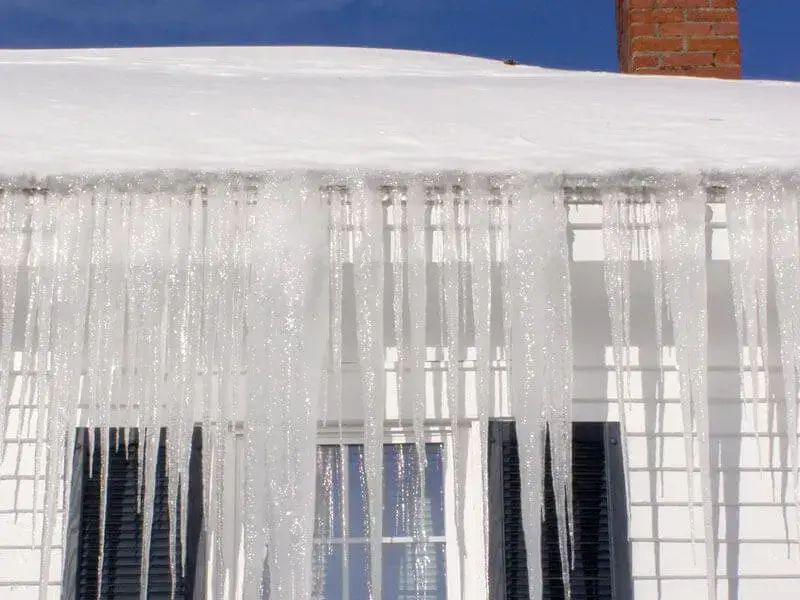
An ice dam is a ridge of ice along the eave that traps melting snow behind it. Water pools against the shingles, finds a seam and drips into the attic, then the ceiling, then the wall below.
First steps for ice dam water damage in Lakeville
Clear the eave
Use a roof rake from the ground if it is safe, and never climb on ice.
Catch what drips
Set buckets and towels under leaks and move belongings aside.
Avoid bulges
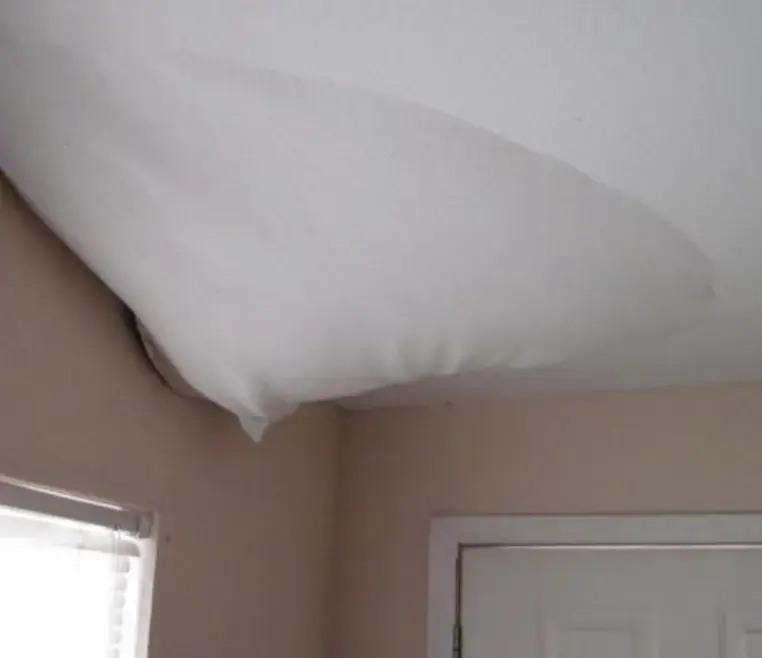
A bulging ceiling can hold gallons, so stay out from under it.
Photograph both sides
Shoot the ice at the eave and the stains inside before cleanup.
How ice dam water damage is handled in Lakeville
The tech who does the walkthrough maps moisture before any equipment goes down, so the drying plan matches what is actually wet. Equipment stays until the readings say dry, not until it looks dry.
- 1
Trace the path
Meters and infrared show where melt water traveled behind the finishes.
- 2
Drain bulges
Sagging ceilings are opened to release trapped water in a controlled way.
- 3
Remove wet insulation
Soaked batts and blown material come out so framing can dry.
- 4
Dry and confirm
Air movers run and readings are taken daily until the structure reads dry.
How a Lakeville roof gets an ice dam
Lakeville is mostly detached houses plus 4,104 attached homes, and in both kinds the cause is the same: heat leaking into the attic melts snow from underneath. Weak insulation, gaps around lights and blocked soffit vents all feed it.
- Warm attic air that melts the snow layer on the roof.
- Thin or compressed insulation above ceilings.
- Recessed fixtures and vent ducts that leak heat upward.
- Shared rooflines on townhomes, where a leak can cross units.
Finding and drying the water
A technician follows the stain with moisture meters and an infrared camera, since melt water often travels along the top plate and shows up far from the eave. Wet insulation is pulled, because it holds water against the ceiling. Ceilings that bulge are opened to release trapped water safely, since a full ceiling can fall without warning. Dry air is then pushed through the framing until readings fall. A leak that began at the shingles also needs the roof leak repaired.
- Bulging drywall is punctured to drain before it falls.
- Wall tops are probed for dampness behind the paint.
- Daily readings continue until the structure is dry.
Claims and prevention
Policies commonly respond to the interior water from a sudden roof leak, but they may not pay for the roof work. Coverage depends on the policy, so check with your own insurer. Photographs of the ice, the stain and the logs matter, as does a note of when the drip first began. The frozen pipe and ice dam risk check points to weak spots before the next winter.
Ice dam water damage across Lakeville and nearby towns
The Lakeville restoration team serves ZIP 55044, including Downtown Lakeville, Fox Meadows, Great Oak, Dodd Marsh and Orchard Meadows of Lakeville, with ice dam leaks in houses and attached townhomes.
The same service nearby: ice dam water damage in Burnsville, Apple Valley, Savage.
Related water damage services in Lakeville

Ice Dam Water Damage questions in Lakeville, MN
01Why does water show up away from the eave?
Melt water runs along rafters and the top plate before dripping, so the stain can appear several feet from the ice.
02Does wet attic insulation need to go?
Usually. It holds moisture against the ceiling and loses its value as a thermal layer, so replacing it is the safer choice.
03Can the ceiling drywall be saved?
Sometimes. Light staining on firm board can dry in place, but a sagging or soft ceiling is generally replaced, and the joists above are checked first.
04Will it happen again?
It can, unless the attic heat loss and ventilation are corrected. Drying repairs the damage but never the cause, so a roofer or insulator is worth a visit.
05Does a policy cover an ice dam leak?
Interior water from a sudden leak is often covered. Check with your own insurer about the roof itself.
06How long will drying take?
Three to six days is common, longer when several walls or a vaulted ceiling are involved.
Ice dam leak in your Lakeville house? Get the water out.
Wet insulation keeps feeding the ceiling below. Prompt drying limits the tear-out.
Burnsville Water Damage Restoration · Burnsville, MN