Roof Leak Water Damage in Bloomington, MN
A storm that opens the roof sends rain through the attic insulation and into the ceiling below. The restoration team shields the opening, bags the wet insulation and dries every room beneath it.
(888) 432-4933Roof open to rain? Call now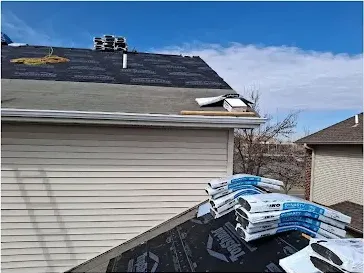
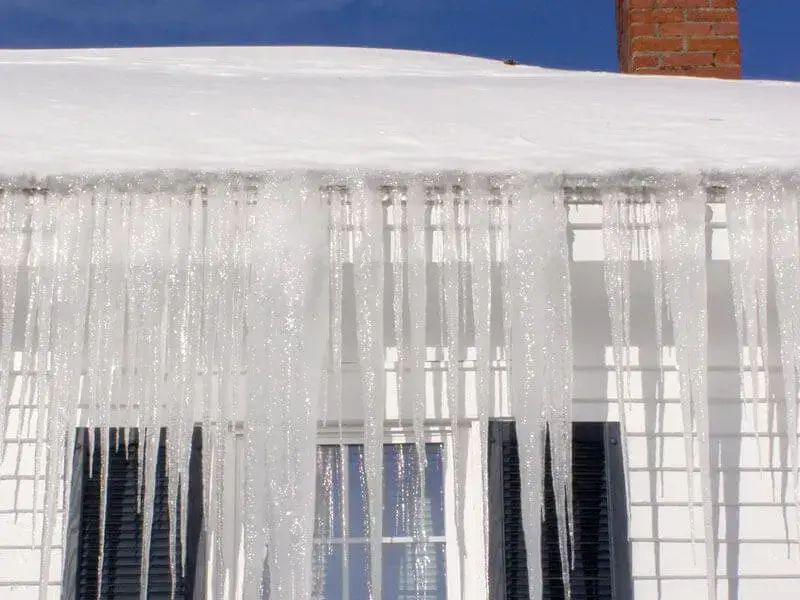
A roof leak means rain got through the shell, whether by lifted shingles, cracked flashing, a failed pipe boot or storm debris. The water soaks the attic insulation first and appears on a ceiling later, and ice dam water damage covers the winter version at the roof edge.
First steps for roof leak water damage in Bloomington
Stay off the roof
Cover nothing from above, and never climb onto a wet or icy roof.
Catch the drips
Place buckets and move furniture and electronics out of the room.
Watch the ceiling
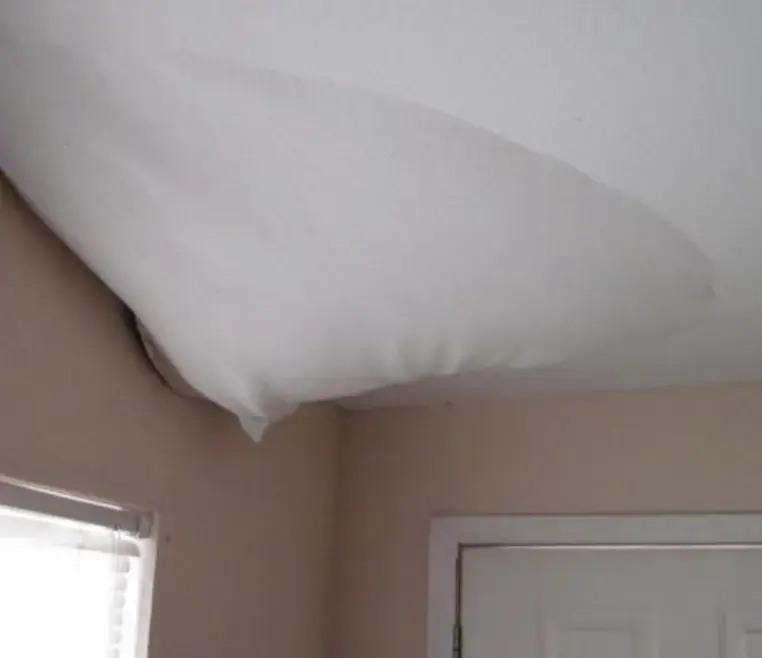
If it bulges, keep people away and do not stand beneath it.
Photograph first
Record the opening, the attic and every wet room for the claim.
How roof leak water damage is handled in Bloomington
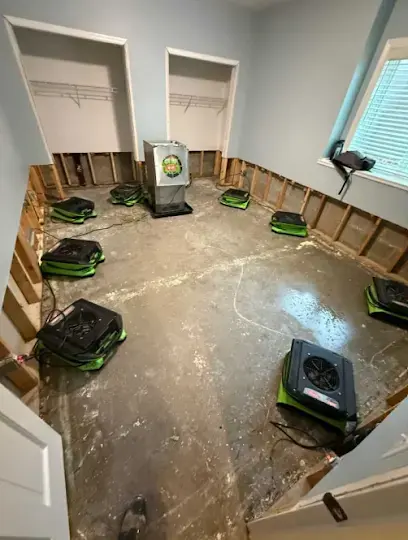
The tech who does the walkthrough maps moisture before any equipment goes down, so the drying plan matches what is actually wet. Equipment stays until the readings say dry, not until it looks dry.
- 1
Cover the opening
The opening is protected until a roofer can repair it.
- 2
Scan and meter
Attic, ceilings and wall tops are checked for moisture.
- 3
Remove the wet
Soaked insulation and weakened drywall are taken out.
- 4
Dry it out
Equipment runs until the readings hit the dry reference.
What opens a roof
Summer thunderstorms bring hail and straight winds to the Twin Cities, and spring thaw stresses every seam. Roofs tend to fail at the same few spots.
- Shingles lifted or cracked by wind or hail.
- Flashing pulled loose at a chimney, wall or valley.
- Rubber boots around vent pipes that split with age.
- A tree limb that punctures the deck.
Stopping the water and drying the rooms below
Stopping more rain comes first, so the opening gets a tarp or temporary cover until a roofer can repair it. Indoors, the tech charts moisture in the attic, the ceilings and the wall tops. Soaked insulation comes out because it keeps water pressed against the drywall, and then air movers, injected air and LGR dehumidifiers take over on the ceilings and walls. A ceiling that has started to bulge is handled as covered on ceiling leak water damage.
- Rafters and roof decking are tested for moisture, along with the ceiling.
- Bagged insulation leaves through the attic hatch or small ceiling cuts.
- Drying continues until the ceiling and framing read dry.
Storm claims, the roofer and the drying
Storm damage is usually a roof claim and an interior claim at once, so the paperwork keeps them apart: the roofer's repair on one side and the drying scope on the other. Pictures of the roof opening, the attic and each ceiling, along with the moisture map, make the split easy to follow. Coverage depends on your policy, so check with your own insurer. The Burnsville page runs to the same standard.
Roof leak water damage across Bloomington and nearby towns
Roof leak work covers ZIP 55420, 55425, 55431, 55435, 55437 and 55438, from West Bloomington streets to townhomes and apartments near Penn Lake, Oxboro and the Hyland Hills area.
The same service nearby: roof leak water damage in Burnsville, Savage, Eagan.
Water damage restoration in Bloomington · every town covered
Related water damage services in Bloomington
Roof Leak Water Damage questions in Bloomington, MN
01Does the same company repair the roof and dry the house?
A roofer repairs the roof, while the restoration team protects the opening and dries the interior. The claim usually lists the two jobs separately.
02Does wet attic insulation have to be replaced?
Usually, once it is soaked. It holds water against drywall and framing and will not dry in place.
03How is this different from an ice dam leak?
An ice dam leak is winter meltwater backing up at the eaves. A roof leak is rain or melt entering through an opening or a failed seam.
04Can the leak wait until the storm ends?
Water keeps moving into the insulation and ceiling the whole time, so covering the opening and starting drying early limits the damage.
05Is storm damage covered?
Wind and hail damage is often handled as a storm claim. Review your policy and keep the photos and drying records.
06How long does drying take after a roof leak?
Usually three to six days, depending on how much insulation and drywall got wet.
Roof damaged in a Bloomington storm? Dry the inside.
Rain in the attic wets insulation and drywall fast, so covering the opening and drying go together.
Burnsville Water Damage Restoration · Burnsville, MN