Storm and Snowmelt Flood Cleanup in Lakeville, MN
Rain and snowmelt that enters a house from outside is contaminated from the start. The restoration team pumps it out, removes what cannot be cleaned and dries and sanitizes the rest.
(888) 432-4933Floodwater inside? Call now
Water that has crossed a yard, a road or a field picks up soil, fertilizer and bacteria on its way. Once it enters a house, it is handled as contaminated, whatever it looks like.
First steps for storm and snowmelt flood cleanup in Lakeville
Keep out of floodwater
It can hide debris and electrical hazards, and it is contaminated.
Cut power if reachable
Switch off breakers only when you can do so from a dry spot.
Leave the furnace off
Running the fan can push tainted air into every room.
Document before moving
Photograph the waterline, the damaged contents and the entry point.
How storm and snowmelt flood cleanup is handled in Lakeville
The tech who does the walkthrough maps moisture before any equipment goes down, so the drying plan matches what is actually wet. Equipment stays until the readings say dry, not until it looks dry.
- 1
Pump the flood
Outside water is removed from floors before anything else.
- 2
Remove porous items
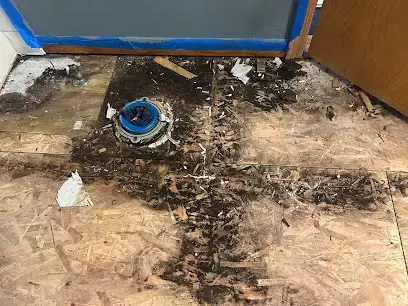
Carpet, pad and soaked drywall are bagged and hauled.
- 3
Scrub and treat
Studs and tile are sanitized before drying begins.
- 4
Dry and clear
Equipment runs and daily readings continue until the structure reads dry.
Where Lakeville storm water comes from
Creeks such as North Creek and Middle Creek carry runoff to the Vermillion River, and the city also has Lake Marion, Orchard Lake and the Raven and Goose wetlands. On July 14, 2010 tornadoes were reported near Lakeville and Northfield in Dakota County, a reminder of how violent summer weather can get.
- Cloudbursts that overwhelm yards and window wells.
- Spring melt moving across frozen ground.
- Wind damage that opens a roof ahead of the rain.
How the cleanup is run
The extraction crew starts with the water, then the team removes carpet, pad and low drywall that soaked it up, since porous material cannot be made safe again. Studs and hard floors are scrubbed and treated with antimicrobial before any dehumidifier or air mover goes on. An air scrubber with HEPA filtration keeps dust down. A flooded lower level also follows the steps in basement flooding cleanup.
- Everything porous that touched floodwater is bagged and removed.
- Sanitizing comes before drying equipment is set.
- Readings continue daily until the structure is dry.
Flood coverage works differently
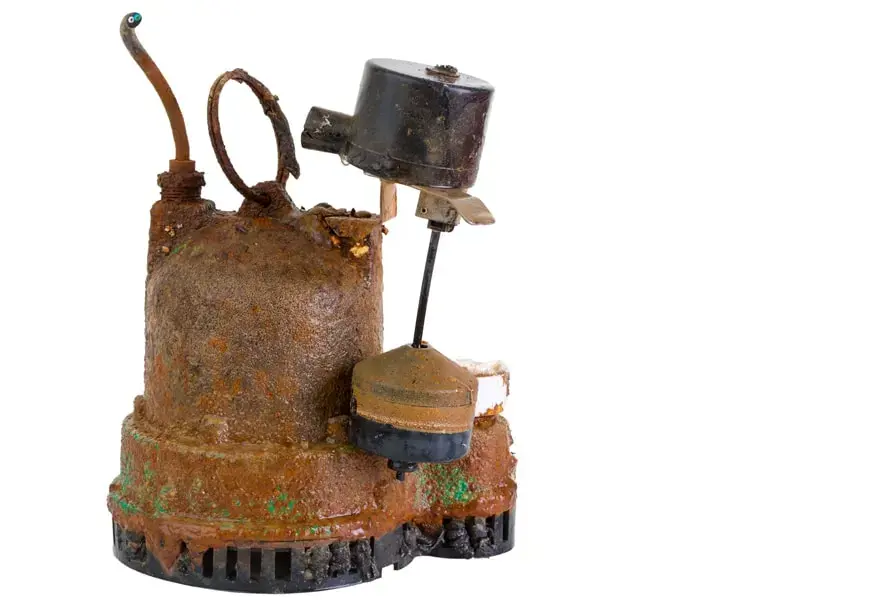
Ordinary homeowner policies often exclude surface flooding, while wind and rain through a storm opening may be handled another way. Coverage depends on the policy, so check with your own insurer. Photographs and a daily drying log help whatever part qualifies. If a failed pump let groundwater in, see sump pump failure cleanup.
Storm and snowmelt flood cleanup across Lakeville and nearby towns
The Lakeville restoration team covers ZIP 55044, from Downtown Lakeville and Orchard Lake to Dodd Marsh, Ritter Meadows and Argonne, whether a house sits near a creek or a wetland or well away from one.
The same service nearby: storm and snowmelt flood cleanup in Burnsville, Apple Valley, Savage.
Related water damage services in Lakeville
Storm and Snowmelt Flood Cleanup questions in Lakeville, MN
01Why is storm water treated as contaminated?
It crosses lawns, streets and fields before it reaches the house, collecting bacteria, fertilizer and chemicals on the way, which is why it is never treated as clean.
02Can any carpet be kept?
Rarely. Pad and carpet that absorbed floodwater are removed, though hard flooring can often be cleaned and dried in place.
03Why shut off the furnace?
The blower can move contaminated moisture and dust into rooms that were dry.
04Do walls need to be opened?
Often at the base, where wet insulation and drywall sit. Meters show how high the wicking went.
05How is snowmelt flooding different?
It can seep in slowly over days along frozen ground or a thawing foundation, but it still counts as outside water.
06Is flood damage covered?
Surface flooding is often excluded from standard policies. Check yours with your own insurer.
Storm water inside your Lakeville home? Start now.
Contaminated water works into every porous surface. Quick pumping keeps the removal smaller.
Burnsville Water Damage Restoration · Burnsville, MN