Storm and Snowmelt Flood Cleanup in Apple Valley, MN
Rain and melt that enter from outside bring soil and whatever they crossed. The restoration team classes the water as contaminated, pulls out the materials it saturated and dries the rest.
(888) 432-4933Floodwater inside? Reach the crew
Water from outside is Category 3 on arrival. Soil, runoff and sewer overflow can ride along, which is why containment and removal precede the drying equipment.
First steps for storm and snowmelt flood cleanup in Apple Valley
Keep out of the water
Floodwater may hold sewage and chemicals, so keep kids and pets away.
Shut off power if safe
Use a dry panel and never wade to reach a breaker.
Leave the furnace fan off
The HVAC can push contaminated air through the house.
Photograph the scene
Record the water height, silt marks and ruined contents.
How storm and snowmelt flood cleanup is handled in Apple Valley
The tech who does the walkthrough maps moisture before any equipment goes down, so the drying plan matches what is actually wet. Equipment stays until the readings say dry, not until it looks dry.
- 1
Seal and protect
Protective gear, barriers and HEPA scrubbers go in before removal.
- 2
Extract and remove
Water and silt come out, then the porous materials they soaked.
- 3
Clean and treat
Studs and slab receive antimicrobial for its labeled contact time.
- 4
Dry to target
LGR and desiccant units run with daily readings.
How outside water reaches Apple Valley homes
The pond system at Galaxie Park was overwhelmed in August 2010, when a downpour of more than four inches fell over three hours. County Road 42 has seen flash flooding in heavy overnight rain, and on August 15, 2025 the National Weather Service issued a flash flood warning for northern Dakota County with rain rates of 0.5 to 2 inches an hour. Water follows the same routes into homes: window wells, garage doors, low entries and the footing drain.
- Storm runoff pushing through a window well or garage door.
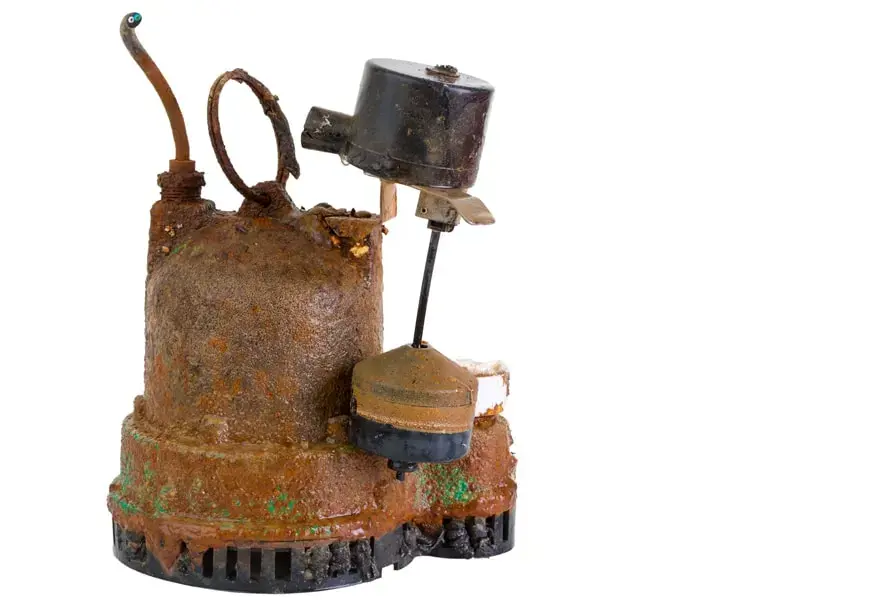
- Drain tile and sump pumps swamped by the same downpour.
- Spring melt moving across frozen ground toward the foundation.
The cleanup sequence after a flood
Crews wear protective gear and seal the work zone, with HEPA scrubbers running, before anything is moved. Water and silt are extracted, then carpet, pad and drywall that touched the flood come out. Studs and slab are treated with an EPA-registered antimicrobial, and air movers with LGR and desiccant units finish the job. The footing-drain version is explained on sump pump failure cleanup.
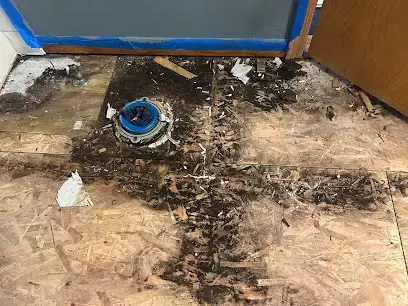
- Porous materials in contact with floodwater are removed, not dried.
- Studs and slab are cleaned before drying gear is placed.
- Readings decide when the barriers and equipment come down.
Why flood coverage is separate
Typical homeowner policies often leave out surface flooding, while a sump or sewer backup can need its own endorsement. Which one applies depends on how the water arrived and what the policy says, so ask your own insurer. Photos of the water level, silt marks and each damaged item, together with the drying logs, support whatever claim is filed. The matching Burnsville page on storm flood cleanup shows the same method.
Storm and snowmelt flood cleanup across Apple Valley and nearby towns
Storm flood calls cover ZIP 55124, from the Galaxie Park area and Galaxie Commons to Cobblestone Lake, Farquar Hills and the corridors of County Road 42 and Cedar Avenue.
The same service nearby: storm and snowmelt flood cleanup in Burnsville, Eagan, Lakeville.
Water damage restoration in Apple Valley · every town covered
Related water damage services in Apple Valley
Storm and Snowmelt Flood Cleanup questions in Apple Valley, MN
01Why does storm water count as contaminated?
It travels over lawns, streets and soil before it enters, and sewer overflow can mix in, which puts it in Category 3 from the start.
02Is drying enough for flooded carpet and drywall?
Not safely. Porous materials that touched Category 3 water are removed, then the framing and slab are cleaned and dried.
03Does homeowners insurance pay for flooding?
Policies usually separate surface flood from sump or sewer backup. Your own insurer can say which one fits your loss.
04How can melt water be kept out?
Grade the soil away from the house, aim downspouts away and keep window wells, planters and landscape walls from trapping water.
05How many days will the dry-out need?
Five to ten days is typical for a flood loss, and longer when concrete, block or hardwood are saturated all the way through.
Storm or snowmelt flooded your Apple Valley home? Reach the crew.
Removal and containment come first, then the drying: that is the order for any water that arrives from outside.
Burnsville Water Damage Restoration · Burnsville, MN