Basement Flooding Cleanup in Apple Valley, MN
When footing drain tile, the sump or the sewer service pipe cannot keep up, the lower level fills first. The restoration team clears the water, pins down the source and dries carpet, walls and slab to verified readings.
(888) 432-4933Pump out the Apple Valley basement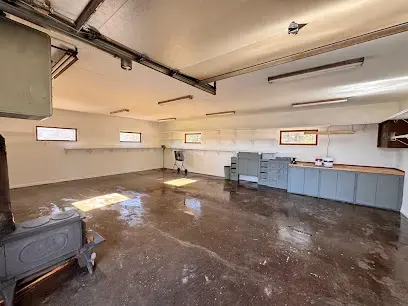
On a flooded Apple Valley lower level, the source comes first. Groundwater from the drain tile, a sump overflow, a supply leak and a sewer backup each carry a different category, and that category settles what gets dried and what gets hauled out.
First steps for basement flooding cleanup in Apple Valley
Keep out of deep water
Stay away from water near outlets, cords and the furnace until the power is off.
Look at the sump
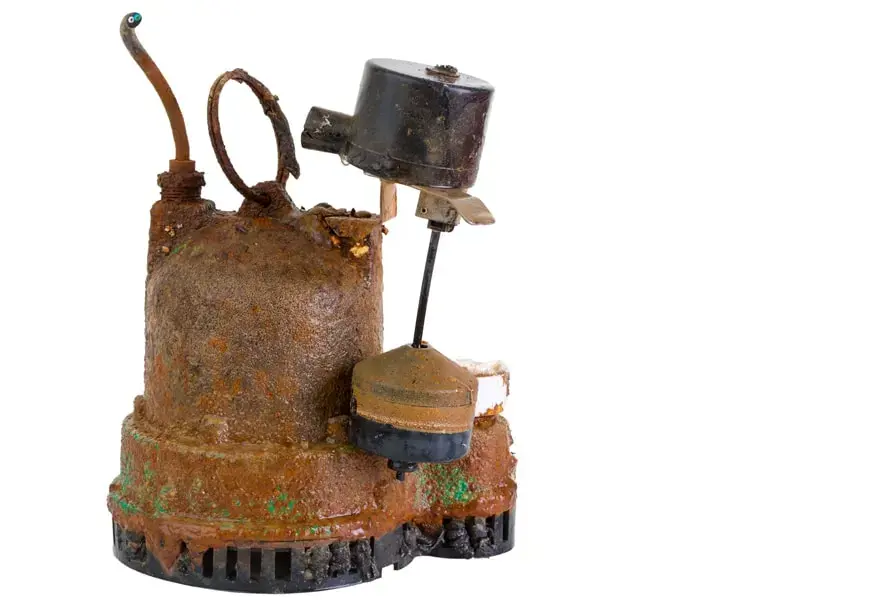
If the pump is quiet while the pit fills, check its breaker only from dry ground.
Carry belongings up
Take boxes, electronics and rugs from the lower level to the main floor.
Record the damage
Photograph the water line, the walls and the pit before cleanup.
How basement flooding cleanup is handled in Apple Valley
The tech who does the walkthrough maps moisture before any equipment goes down, so the drying plan matches what is actually wet. Equipment stays until the readings say dry, not until it looks dry.
- 1
Find the source
Drain tile, sump, sewer or supply water sets the category.
- 2
Remove water and materials
Standing water out; materials go only where category or readings call for it.
- 3
Dry walls and concrete
Air movers, LGR and desiccant units sized to the lower level.
- 4
Log it to dry
Readings every day until walls, framing and slab reach the goal.
Why Apple Valley lower levels flood
Most Apple Valley homes went up between 1970 and 1999, and footing drain tile gathers groundwater for the sump pump to remove. The city points out that a pump cycling often in large rains is normal. Trouble begins when rain outpaces the pump, the pump quits, or grading and downspouts steer water back at the foundation.
- Big rains that swamp the drain tile and the pit; the sump pump failure cleanup page covers that loss.
- Sewer backups through the floor drain, a Category 3 loss covered on sewage backup cleanup.
- Water heater tanks and supply pipes that fail inside the finished space.
How the lower level gets dried
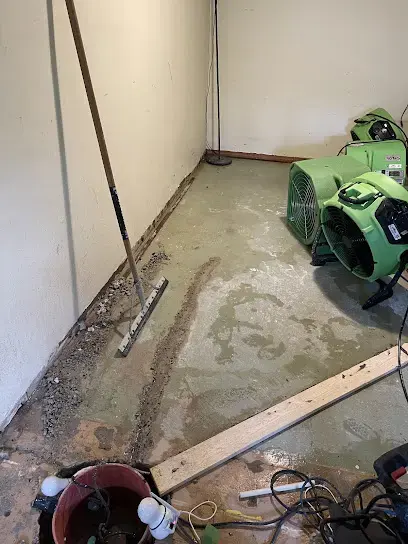
Standing water goes first: the extraction crew lifts it off the slab and out of the carpet. The walkthrough tech then checks walls, pad and concrete with meters. Supply water caught quickly often lets carpet and drywall stay. Drain tile and sump water usually means the pad is pulled and wall bottoms are cut open so the cavities breathe. Block and concrete give up water slowly, so desiccant units often run beside the LGR dehumidifiers.
- Drywall is cut only where a meter shows wet board or insulation.
- Framing and slab are treated with antimicrobial after gray or black water.
- The drying team leaves equipment until slab and walls match the dry reference.
Sump, sewer and the claim in Apple Valley
Insurers sort these sources differently, and most homeowner policies leave out sewer backup unless a rider is added. The owner is responsible for the service pipe to the city main. What is covered depends on your policy, so confirm with your own insurer; the moisture map and daily logs back up any covered part. The same service in Burnsville runs to the same standard.
Basement flooding cleanup across Apple Valley and nearby towns
The Apple Valley restoration crew covers ZIP 55124, from Cobblestone Lake and Galaxie Commons out to Longridge, Pennock Shores, The Oaks and the Lebanon Hills area along Johnny Cake Ridge Road.
The same service nearby: basement flooding cleanup in Burnsville, Eagan, Lakeville.
Water damage restoration in Apple Valley · every town covered
Related water damage services in Apple Valley
Basement Flooding Cleanup questions in Apple Valley, MN
01Can I just run fans in a flooded Apple Valley basement?
Fans push damp air around without taking water out of it, and they cannot reach wall cavities or a slab. Extraction plus dehumidification does the drying.
02Will the carpet have to be replaced?
Clean water found early can often be saved. Drain tile water, sump overflow and sewage usually mean the pad, and sometimes the carpet, is removed.
03Is it normal for my sump to run all the time in heavy rain?
The city says a pump that runs often in large rains is normal. A quiet pump with the pit filling, or water spilling over the rim, is the trouble sign.
04Who is responsible for a sewer backup into my basement?
The property owner is responsible for the service pipe from the house to the city main and for the cleanup. Most policies need a sewer backup rider.
05Why is the concrete still wet after the carpet dried?
Concrete and block soak water deep inside and release it slowly. Desiccant dehumidifiers and extra days are often part of the plan.
06How can I keep water away from the foundation?
Grade soil away from the house, aim downspouts away and keep planter beds, landscape walls and debris from blocking the water's path.
Flooded lower level in Apple Valley? Get the drying going.
Pad, drywall and concrete keep soaking while water sits. The extraction crew starts where the water is deepest.
Burnsville Water Damage Restoration · Burnsville, MN