Basement Flooding Cleanup in Lakeville, MN
Water in a lower level soaks carpet, pad and wall bottoms fast. The restoration team pumps it out, works out where it came from and dries the room to measured readings.
(888) 432-4933Basement under water? Call now
Before anything is pulled out, the first question in a flooded lower level is where the water came from. Clean supply water, a sump overflow and a sewer backup are three different jobs, and the answer decides what stays and what is hauled away.
First steps for basement flooding cleanup in Lakeville
Stay out of deep water
Standing water near outlets or the panel can carry current, so keep clear.
Check the pump
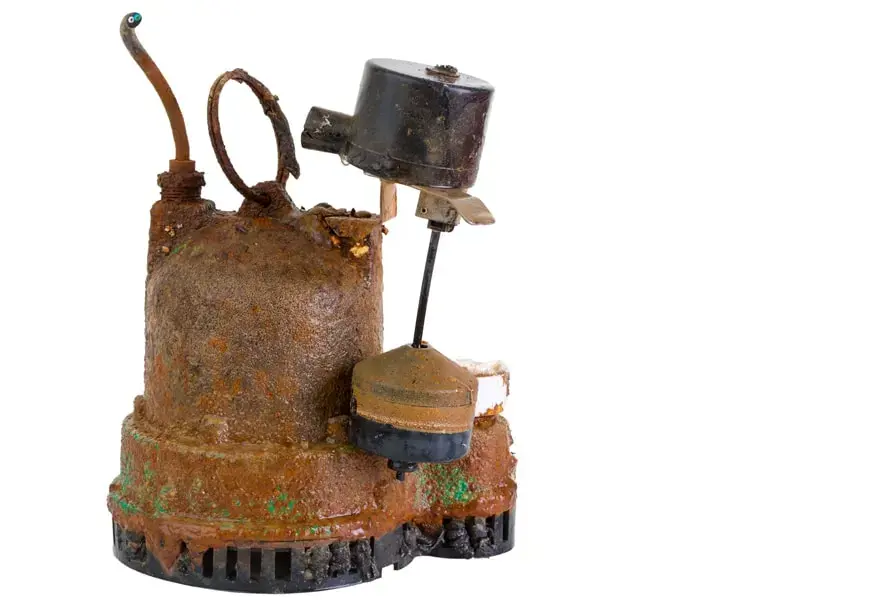
See whether the sump pump, if the house has one, is still running.
Raise belongings
Lift boxes, rugs and electronics onto shelves or upstairs.
Capture the scene
Photograph the waterline, the damaged contents and the likely source.
How basement flooding cleanup is handled in Lakeville
The tech who does the walkthrough maps moisture before any equipment goes down, so the drying plan matches what is actually wet. Equipment stays until the readings say dry, not until it looks dry.
- 1
Pump it out
Standing water leaves the slab and carpet before anything else.
- 2
Sort by source
The category of the water decides which materials can be kept.
- 3
Open wall bottoms
Small cuts let air reach insulation and framing that are soaked.
- 4
Dry the structure
Equipment runs until walls and concrete reach the dry reference.
What fills a lower level
Much of Lakeville drains toward the Vermillion River and North Creek. Roughly 6,159 homes date from 1990 to 1999 and 6,189 from 2000 to 2009, so many houses have finished lower levels with pumps and floor drains close by.
- Heavy rain or melt that outruns the sump pump, covered in sump pump failure cleanup.
- Sewage rising from a floor drain, treated as contaminated water.
- A water heater or supply pipe that fails near the carpet.
The cleanup, step by step
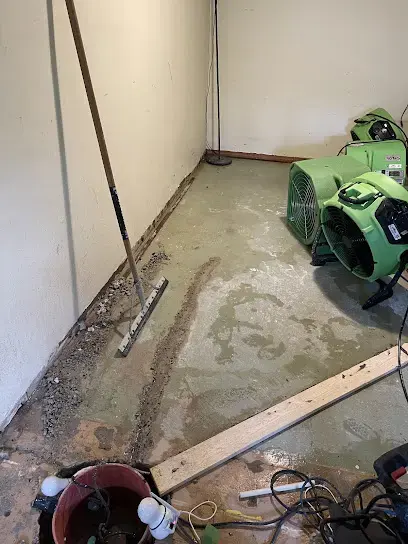
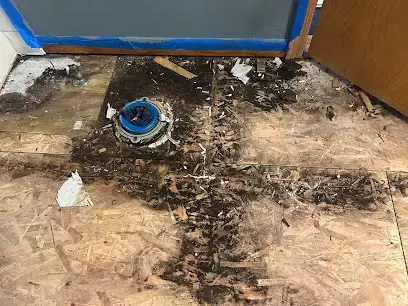
The extraction crew lifts standing water from the slab and carpet. A meter check of the wall bases, the pad and the slab comes next. If the water was clean and the work began early, carpet and drywall can often stay. If it came from a drain or a pit, pad is removed and the bottom of the wall is opened so the cavity can dry. Concrete releases moisture slowly, so a desiccant unit may run alongside the dehumidifiers.
- Wallboard is opened only where a meter shows saturation.
- Studs get an antimicrobial wash after gray or black water.
- Equipment is left in place until the slab and walls test dry.
Who pays for what
Insurers treat these sources differently, and sewer backup is often excluded unless a rider was added. Coverage depends on the policy, so ask your own insurer. Whatever part qualifies, the moisture map and the daily logs back it up. For the surface pumping step alone, see water extraction.
Basement flooding cleanup across Lakeville and nearby towns
The Lakeville restoration team serves ZIP 55044, from Downtown Lakeville and Orchard Meadows of Lakeville to Fox Meadows, Great Oak, Dodd Marsh and Argonne, for finished lower levels and townhome basements.
The same service nearby: basement flooding cleanup in Burnsville, Apple Valley, Savage.
Related water damage services in Lakeville
Basement Flooding Cleanup questions in Lakeville, MN
01Does carpet always have to go?
No. After clean water caught quickly it may be saved, though the pad is often replaced. Contaminated water means removal.
02Why are the walls opened at the bottom?
Wet insulation holds moisture against framing. A short cut at the base lets that cavity dry instead of rot.
03How long until the room is dry?
Four to seven days is common, and concrete or finished walls can add time.
04Is a flooded lower level a sewage problem?
Not always. Floor drain water may be, but supply leaks and sump overflow fall into other categories with different handling, and sorting them out is the first job.
05What if the pump just stopped?
Move belongings up, stay clear of the water and call. The pit, the float and the discharge pipe are worth checking once it is safe, since a stuck float is a common culprit.
06Does a standard policy pay?
Sudden supply losses often qualify. Sewer backup usually needs a rider, so confirm with your own insurer.
Basement flooded in Lakeville? Begin the dry-out.
Every hour of standing water pushes moisture deeper into the floor and walls. The pumping starts at the deepest spot.
Burnsville Water Damage Restoration · Burnsville, MN