Basement Flooding Cleanup in Savage, MN
A long rain, a fast melt or a stalled pump can flood a lower level overnight. The restoration team clears it, traces its source and dries the carpet, the walls and the slab until readings say done.
(888) 432-4933Clear the Savage lower level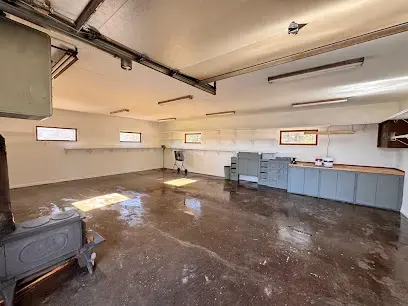
Where the water came from comes first. That answer fixes the category, and the category fixes what can stay and what has to be hauled out.
First steps for basement flooding cleanup in Savage
Stay out of deep water
Treat water touching outlets, cords or the furnace as live until the power is cut.
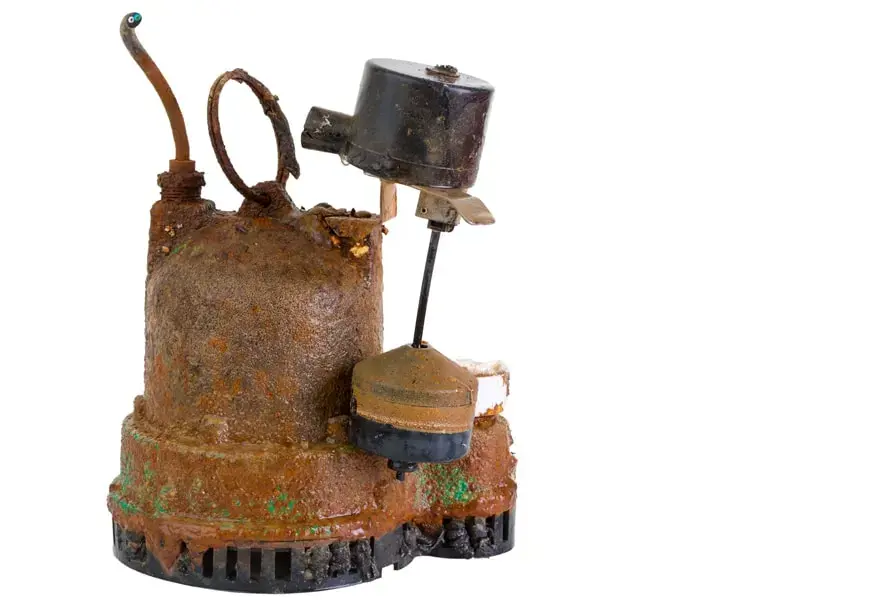
Look at the pump
A silent pump with a filling pit deserves a glance at its plug, from dry ground only.
Carry things upstairs
Boxes, electronics and rugs belong on the main floor, away from the water.
Photograph the waterline
Capture the level on the walls, the pit and any damaged items before cleanup.
How basement flooding cleanup is handled in Savage
The tech who does the walkthrough maps moisture before any equipment goes down, so the drying plan matches what is actually wet. Equipment stays until the readings say dry, not until it looks dry.
- 1
Name the source
Rain, melt, a drain or a pipe decides the water category.
- 2
Clear water, then materials
Standing water leaves first, and each material is judged on category and meter reading.
- 3
Dry walls and slab
Air movers, LGR dehumidifiers and desiccants are matched to the room.
- 4
Record until dry
Readings are kept daily until framing and slab hit the goal.
Why Savage lower levels take on water
Most Savage homes were built from 1980 on, and the city lies beside the Minnesota River, with the Credit River and Eagle Creek running through it. Spring melt, a drawn-out rain or a power loss that silences a pump can put water in a lower level. A blocked drain can push it up from underneath.
- Rain or melt that fills the pit faster than the pump moves it, covered under sump pump failure cleanup.
- A sewage backup, a Category 3 job described on sewage backup cleanup.
- A tank or supply pipe that fails inside a finished room.
Drying a flooded lower level
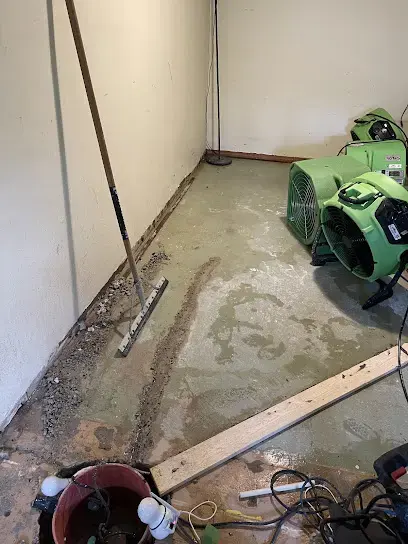
Pumps and the extraction crew empty the room first. The walkthrough tech then meters the walls, the pad and the slab. Water that is clean and caught early may let carpet and drywall stay. Rain and pit water usually send the pad out and mean cutting a strip off the bottom of the walls so each cavity can breathe. Concrete and block let go of moisture slowly, so desiccant units often work alongside the LGR machines.
- Wallboard is opened only where a meter shows wet board or soaked insulation behind it.
- After gray or black water, framing and slab get antimicrobial.
- Machines keep running until walls and slab sit near the dry reference.
Sources, coverage and the claim
Insurers treat each source on its own terms. A sudden pipe burst is judged one way, while seepage and drain backups often need an endorsement. The moisture map and the daily logs back up whatever the policy pays for, so confirm the details with your own insurer. For the main-city version, see basement flooding cleanup in Burnsville.
Basement flooding cleanup across Savage and nearby towns
The Savage drying team works across ZIP 55378, including Autumn Woods East, Redtail Ridge, Hamilton Ridge and Dufferin Park, with work reaching homes along County Road 42 and Highway 101.
The same service nearby: basement flooding cleanup in Burnsville, Bloomington, Lakeville.
Related water damage services in Savage
Basement Flooding Cleanup questions in Savage, MN
01Will running fans dry a flooded basement?
Fans stir damp air without removing the water, and they cannot reach inside walls or a slab. Pulling the water out and dehumidifying is what actually dries it.
02Does the carpet always have to go?
Not always. Clean water caught early may let it stay. Rain, pit overflow or sewage typically means the pad is removed, and sometimes the carpet with it.
03Why is the concrete damp after the carpet is dry?
Concrete and block store water deep inside and let it out slowly, so desiccant units and extra days often come with the job.
04Does every heavy rain mean a flood?
No. Pumps, grading and drains handle most storms. Trouble starts when the pit overflows, the pump stops or a drain backs up.
05Will insurance pay for water from outside?
A standard policy usually excludes surface water, so flood coverage matters. Check your own policy and keep the readings and photos.
06How do I keep water off the foundation?
Grade soil away from the foundation, point downspouts outward and keep the ground near the walls clear so runoff can leave.
Lower level flooded in Savage? Begin the dry-out.
Pad, drywall and concrete soak up more with each hour. The extraction crew starts at the deepest water.
Burnsville Water Damage Restoration · Burnsville, MN