Storm and Snowmelt Flood Cleanup in Savage, MN
Floodwater from outside has crossed yards, roads and soil before it reaches the house. The restoration team handles it as contaminated, hauls out whatever it saturated and dries what remains.
(888) 432-4933Outside water in? Call now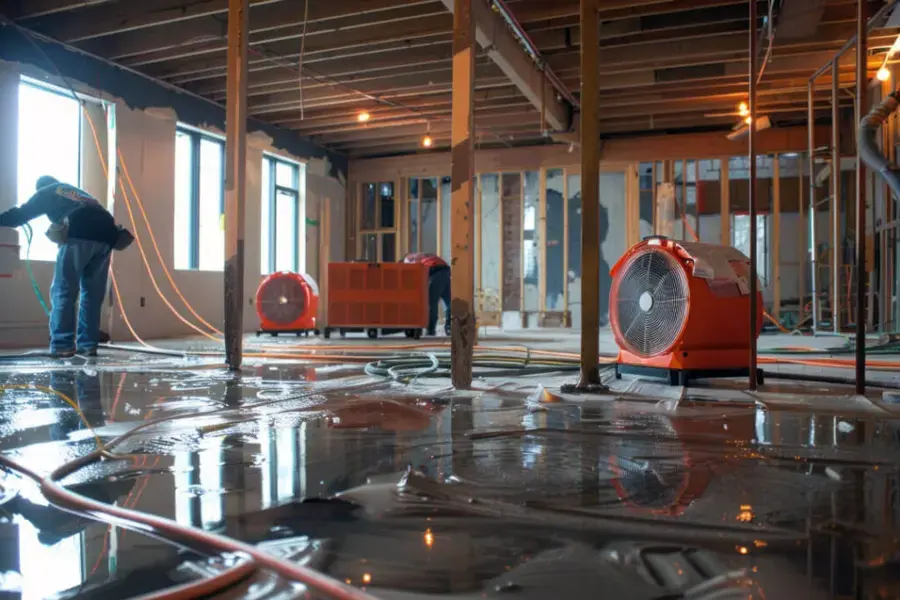
Under the IICRC S500 standard, water that enters from outside is Category 3, whether it is meltwater in a window well or a rush of runoff at the garage door. Anything porous it touched is taken out rather than dried.
First steps for storm and snowmelt flood cleanup in Savage
Keep clear of the water
Floodwater may contain sewage and chemicals, so keep children and pets away.
Power off from dry ground only
Never wade to a breaker; leave it alone if the panel is not dry.
Leave the furnace fan idle
Running the HVAC can spread contaminated air through the house.
Document everything
Photograph the waterline, silt marks and damaged belongings before cleanup.
How storm and snowmelt flood cleanup is handled in Savage
The tech who does the walkthrough maps moisture before any equipment goes down, so the drying plan matches what is actually wet. Equipment stays until the readings say dry, not until it looks dry.
- 1
Contain first
Protective gear, containment and HEPA air go in before removal.
- 2
Remove water and debris
Water and silt go first, then the porous materials it touched.
- 3
Clean and treat
Framing and slab receive antimicrobial.
- 4
Dry down to target
Air movers, LGR dehumidifiers and desiccants run while readings are logged daily.
How outside water reaches Savage homes
Savage sits on the south bank of the Minnesota River, and the Credit River and Eagle Creek run through the city. The Minnesota River crested at 719 feet on April 15, 1965, the highest on record, and again near 717 feet on June 30, 2024, when only a few minor roads closed. Stormwater ponds north and south of Highway 13 keep river water away from downtown. Rain and melt close to a building can be enough on their own.
- Melting snow that drains toward a wall and collects in window wells.
- Cloudbursts that swamp gutters, grading and storm drains.
- Low spots where runoff sheets toward a walkout door or garage.
- River rises that send water toward low ground.
Cleaning up after outside water
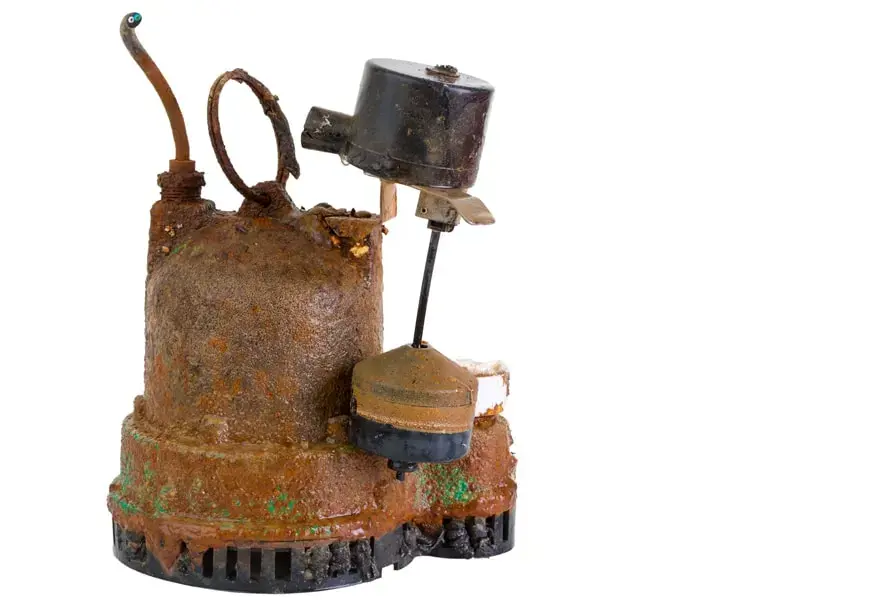
Crews wear protective gear and start by pulling out water and silt. Because the water counts as Category 3, anything porous it reached, carpet, pad, drywall and insulation, is cut out and bagged while HEPA air scrubbers run behind containment. Hard surfaces and framing then receive an EPA-registered antimicrobial before air movers, LGR dehumidifiers and desiccants dry what remains. A pit that overflowed is covered on sump pump failure cleanup.
- Silt is shoveled and vacuumed out before surfaces are treated.
- Damaged contents are photographed and sorted before disposal.
- Machines stay until framing and slab read at the dry reference.
Flood coverage works differently
A homeowner policy normally leaves out surface water and flooding. That risk is covered by separate flood insurance, so check with your own insurer. Photos, silt lines and the drying logs support any claim. Burnsville's storm flood page covers the main city.
Storm and snowmelt flood cleanup across Savage and nearby towns
The Savage restoration crew works floods across ZIP 55378, including Downtown Savage, Glendale and Port Cargill, along Highway 13, Highway 101 and the Credit River side of the city.
The same service nearby: storm and snowmelt flood cleanup in Burnsville, Bloomington, Lakeville.
Related water damage services in Savage
Storm and Snowmelt Flood Cleanup questions in Savage, MN
01Why does melt count as contaminated?
Meltwater travels over lawns, roads and driveways and collects bacteria and debris, so S500 files outside floodwater under Category 3.
02Is anything porous saved after a flood?
Generally no. Porous materials that Category 3 water touched go out, and the framing and concrete are cleaned, treated and dried.
03How high did the Minnesota River get in 2024?
It crested near 717 feet on June 30, 2024, the second highest on record in Savage, with only a few minor road closures.
04Does homeowner insurance cover flooding?
Rarely. Flood insurance is the usual route for surface water, so read your own policy and keep photos and drying records.
05How can I keep melt water out?
Lengthen downspouts, clear the window wells, grade soil away from the house and try the pump before the thaw.
06How long does flood drying take?
Plan on five to ten days once the removal work ends, with block walls and slabs needing longer.
Storm runoff or melt inside your Savage home? Call.
Once outside water is inside, the clock runs on porous materials. Removal and containment start before drying does.
Burnsville Water Damage Restoration · Burnsville, MN